From Satellites to High Altitude Platforms – Advancing 6G Connectivity in Remote Areas
How can future 6G networks deliver reliable connectivity in remote areas? In the ENSURE-6G project, researcher Jean de Souza Sant’Ana compares High Altitude Platforms and LEO satellites to strengthen communication in northern regions.
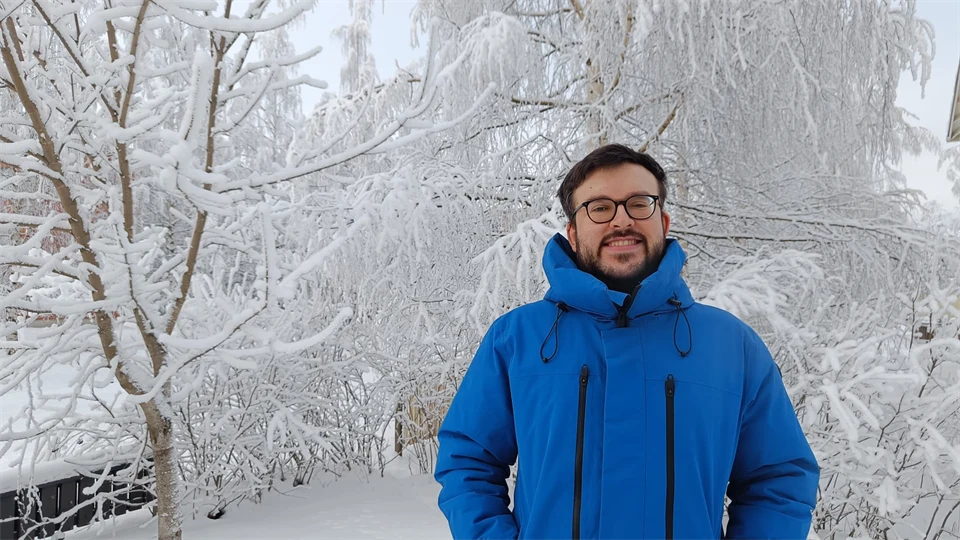
Jean de Souza Sant’Ana is a postdoctoral researcher within the ENSURE-6G project at the University of Oulu. Originally from Brazil, Jean moved to Finland to complete his PhD in telecommunications, and he has since continued his academic career within ENSURE-6G, focusing on future connectivity solutions for remote and sparsely populated areas.
- As a PhD-student, I studied Telecommunication engineering with a focus on Internet of Things and Lora Network. After graduating, I was given the opportunity to investigate communication differences between Low Earth Orbit (LEO) satellites and High Altitude Platforms, or HAPs. It was a good match with my previous research and an interesting new challenge, Jean explains.
Limitations of Satellite Connectivity in the North
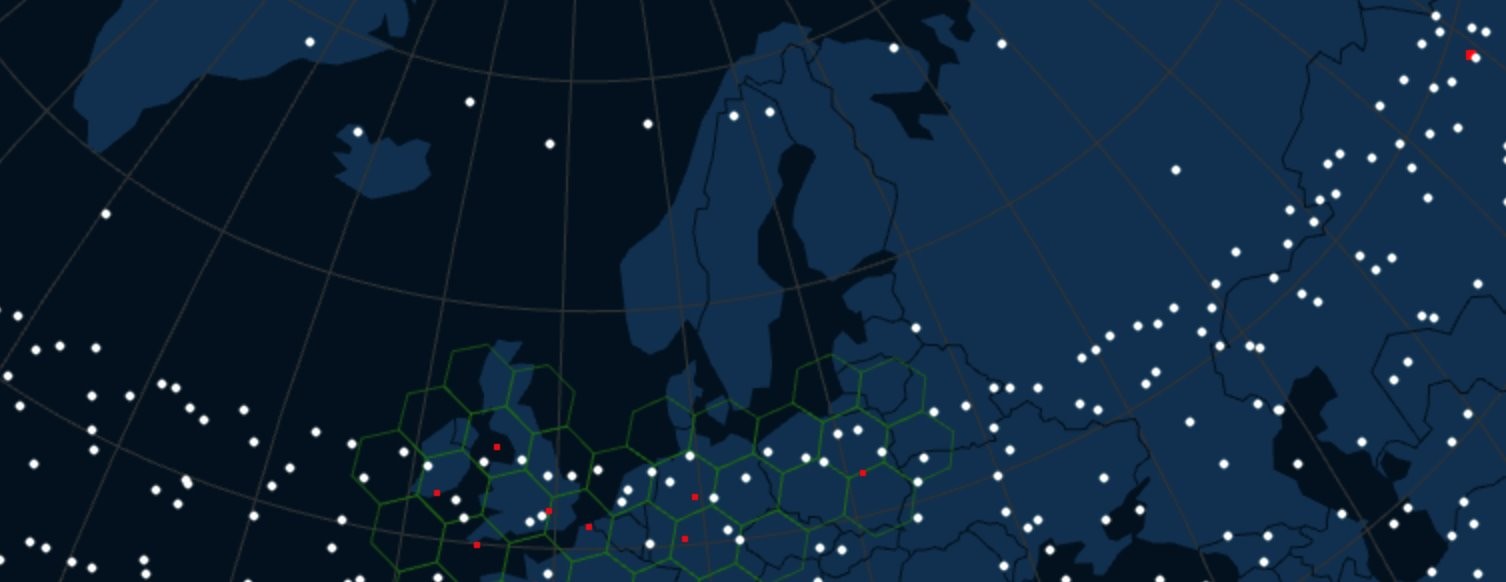
Today, LEO satellite connectivity can face limitations related to coverage and robustness, particularly in northern Europe. Due to the relatively low number of satellites covering high-latitude regions, there are gaps in coverage. As satellites move in their orbits, the quality of the connection may vary significantly over time.
- This variability can be problematic for applications that require stable and reliable communication, says Jean.
High Altitude Platforms as a Complementary Solution
With recent technological advances, HAPs have emerged as a promising alternative or complement to satellite and terrestrial networks. Operating at altitudes of approximately 20-25 km, HAPs function in the layer between traditional terrestrial infrastructure and satellites.
- HAPs can significantly improve connectivity in remote areas. They act as airborne base stations, typically mounted on balloons or large autonomous drones equipped with solar panels. This makes them particularly suitable for northern regions, where terrestrial infrastructure is sparse, Jean explains.
While satellites typically orbit at 500–700 km above the Earth and conventional drones operate at altitudes of 100–300 meters, HAPs strike a balance by offering wide-area coverage with lower latency and more stable links. Advances in energy and battery technology now allow these platforms to remain operational for extended periods.
Reflecting this rapid development, the World Economic Forum has identified High Altitude Platform Systems as one of the ten technologies expected to significantly impact society within the next three to five years.
Research Results within ENSURE-6G
Within the ENSURE-6G project, Jean’s research compares connectivity performance between HAPs and LEO satellites, particularly in combination with terrestrial networks.
- Our results show that both LEO satellites and HAPs are competitive solutions when integrated with terrestrial connectivity. More importantly, combining these technologies offers a very strong option for future 6G communication systems, he says.
The findings indicate that HAPs generally provide a more stable and less variable connection than LEO satellites. Because HAPs operate at lower altitudes, Internet of Things devices and sensors can connect more easily and consume less energy.
- This makes HAPs especially well-suited for remote areas or situations where there is a temporary need for additional connectivity, Jean notes.
“Research that can make real difference”
Jean is currently finalizing his work within Work Package 2 of the ENSURE-6G project and is preparing to submit his results as a journal article.
- It has been very rewarding to be part of ENSURE-6G. The scope of Interreg Aurora is particularly appealing. Working with research that addresses local challenges in northern regions can make a real difference. I have also appreciated the close collaboration with the Swedish research team and with industrial partners, which has been a new and valuable experience for me, Jean sums up.