Nature walks provide mental shower: new study highlights the importance of nature for the well‑being of the elderly
A new research study conducted in Sweden and Italy by Sandra Wall-Reinus and Simon Strömqvist, both from Mid Sweden University, shows that walking in nature plays a central role in the physical, social and mental well-being of older people.
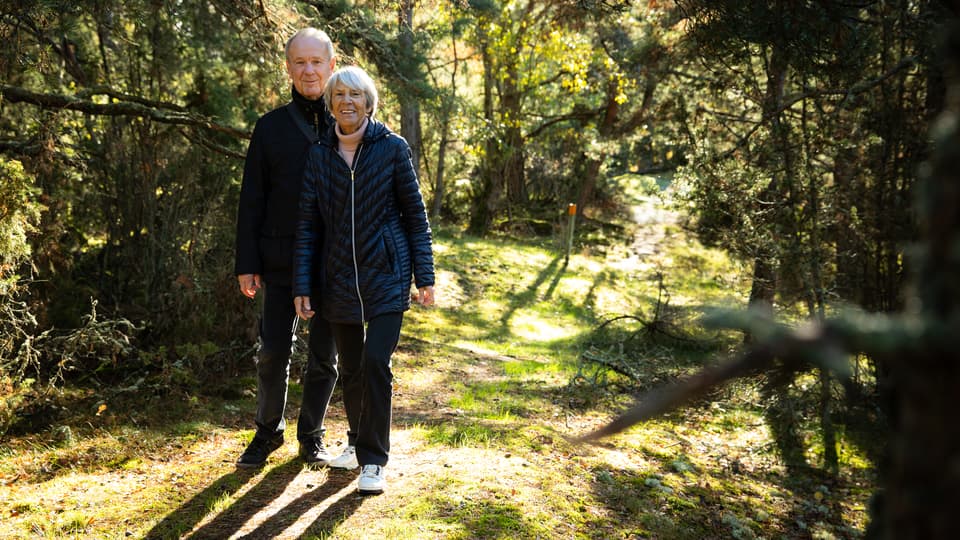
Through focus groups and walks with people between the ages of 65 and 80, Sandra Wall-Reinius and Simon Strömqvist at Mid Sweden University have investigated how everyday and more extraordinary nature experiences affect health, quality of life and the sense of belonging in older people.
Everyday walks make a difference
The results of the study show that everyday walks create important routines, support social contacts and offer a calm where nature's sounds, smells and seasonal changes contribute to recovery. Many participants described the walks as "a mental shower", a way to clear their thoughts and be present in the moment.
At the same time, deeper, more emotional and existential experiences also emerged when walking in particularly scenic environments. At viewpoints, hiking trails or places with strong memories, walks could evoke feelings of awe, spiritual reflection and connection with nature. These experiences are often linked to childhood memories, traditions and intergenerational activities such as hikes and other activities in nature.
In-depth understanding of the elderly's relationship to nature
"In the study, we develop the concept of therapeutic landscapes to capture the bodily movement in nature and how the body, senses and emotions interact with the environment," says Simon Strömqvist, project assistant in Human Geography.
"The therapeutic dimensions of nature stimulate several senses and are of great importance for well-being. Our study confirms previous research, but provides in-depth knowledge and understanding of how older people express their relationship with nature," says Sandra Wall-Reinius, Associate Professor of Human Geography.
Urban planning that takes into account the needs of the elderly
The study shows that the therapeutic value of nature arises in the interaction between movement, environment and sensory impressions. The researchers therefore believe that planning of future societies needs to take greater account of the sensory needs of the elderly and access to nearby natural environments. To promote healthy and active ageing, the study highlights the importance of easily accessible green areas, varied terrain, good rest opportunities and multisensory qualities with sounds, smells and tactile experiences.
The research study particularly highlights the importance of:
- Easily accessible natural environments close to the home, with good walking paths and varied terrain.
- Multisensory planning where sounds, smells and nature's textures are integrated.
- Rest areas, clear signage and inclusive design.
- That older people are involved as active co-creators in the planning of the natural environments of the future.
"Walking in natural environments should be a central and integrated part of local community planning. The results of the new study provide an important basis for municipal planning so that green areas are protected, that the needs and wishes of older people are met and that equal access to green areas in and around the cities is ensured for different groups in society," says Sandra Wall-Reinius.
Read the article and see study
Contact
