New research: Organisations are missing the value of their own information
Information can provide both increased control and more efficient operations. Yet, many organisations find it difficult to use their information for analysis and decision-making. This is shown by PhD student Erica Hellmer in her thesis "Information Re(Use): Navigating changing needs for information".
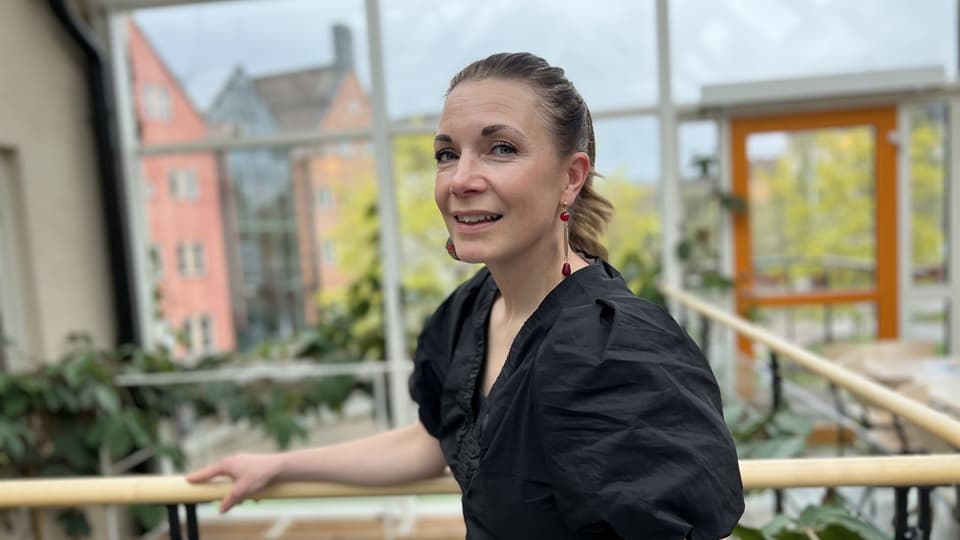
In her thesis, she focuses on an issue that affects both authorities, companies and other organisations: how information can be used and reused over time – even for needs that do not yet exist when the information is created.
"People talk about data as an asset and resource, but how do we use the information? That's what I've investigated in my research," says Erica Hellmer.
Users' needs are changing
In her thesis, she shows that information systems are often built for an original purpose, but that the needs of users change in line with new societal requirements, regulations and work processes. What is collected for an administrative purpose may later need to be used for completely different purposes.
One example she highlights is the covid pandemic.
"During the pandemic, information collected for administrative purposes began to be used for contact tracing, for example. It shows how important it is that information is structured in a way that makes it reusable.
Decisions at EU level, new legal requirements or changed conditions also affect the information needs that arise in organisations. One example Erica Hellmer brings up is how information about road culverts can take on new significance when climate change leads to increased rainfall and new demands on infrastructure.
"If you know when road culverts were installed and what dimension they have, the information can be used to identify which ones need to be replaced. It is an example of how already collected information can create value in the future.
Informal solutions
Research also shows that many organizations use several different information systems that do not always work together or are adapted to the users' actual needs. When information is difficult to find, informal solutions are created where employees become dependent on colleagues' knowledge.
"Some of the people I interviewed described that they have to build networks of colleagues who know where information is. This is a sign that the systems do not meet the needs of the business.
In her studies, Erica Hellmer has investigated activities within the Trafikverket, among others. There she also saw that the same process can entail completely different information needs depending on local conditions.
"A project in Malmö does not look like a project in Arvidsjaur, even if the process is the same. Therefore, organisations need to develop systems that also take into account different roles and user needs.
One conclusion is that organisations need to work more long-term and strategically with information management. It is not enough to introduce new technical systems, organisations need to start from how the information can be used and also how future needs may change.
Sustainable information practices
This is especially true in the development of AI and data-driven businesses.
"AI is completely dependent on the information used being relevant and correct. If the documentation is inadequate, there is also a risk of making wrong decisions. Therefore, more than ever, we need sustainable information practices.
She believes that organisations need to have a more holistic perspective on information and ask questions such as: why do we collect this information, how can it be used in the future and how do we ensure that it can be found and analyzed over time?
"We don't always know when information will become valuable or how it will be used. But if we don't structure it in a way that makes it possible to reuse, we miss out on the organisational access and knowledge that can make work more efficient.
Welcome to the public defence
On June 2, 2026, Erica Hellmer will defend her thesis at a public defence at Mid Sweden University's Campus in Sundsvall and via Zoom. The opponent is Associate Professor Olle Sköld from Uppsala University. Anyone who is interested is warmly welcome to participate, on site or digitally.
Contact
