Researchers explain: Eurovision as important as Christmas for many fans
When Eurovision was cancelled in 2020, fans reacted more strongly than expected. For some, it was traumatic and it felt like "Christmas disappeared". Now, research shows that the reaction was not exaggerated – for many, the competition fulfills a deep social and emotional function.
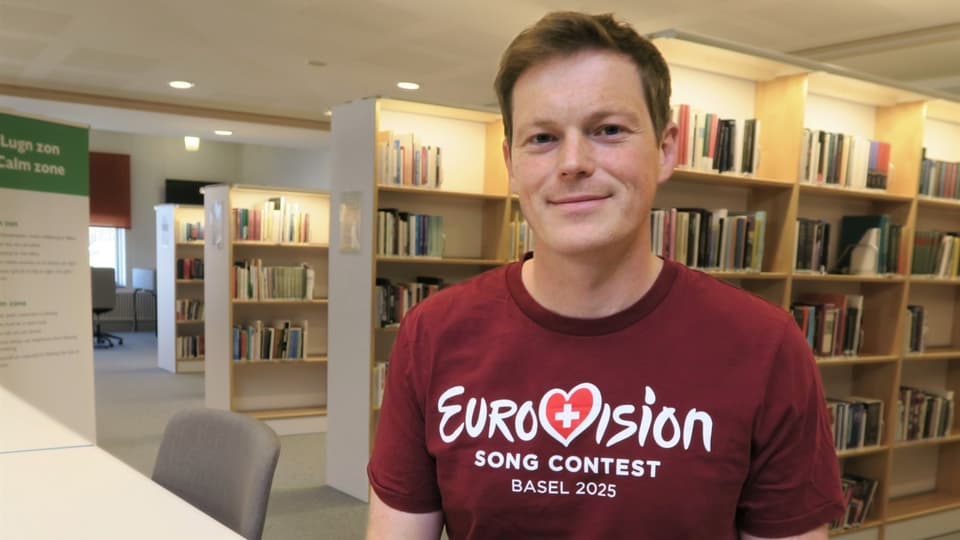
In the new book Tourism, Events and Leisure: Perspectives on the Eurovision Song Contest , researchers from eight countries have examined the phenomenon of Eurovision from a broader perspective. The results indicate that the competition is far from just entertainment, but a recurring ritual that gives structure to people's lives.
"We see that Eurovision functions as a central leisure activity and as a social hub for the fans. It's something that people return to every year and build traditions around," says Jack Shepherd, researcher at the tourism research center ETOUR at Mid Sweden University.
Research shows that the importance of Eurovision for people's social lives, relationships and identity is often underestimated. When the competition was cancelled in 2020 as a result of the COVID-19 pandemic, it had unexpectedly strong consequences for many fans. This was especially noticeable within the LGBTQ+ community, where the competition helps people feel like they are part of something bigger and visible. At the same time, other fans who associate Eurovision with quality time with family and friends were also affected.
"For some fans, it was very traumatic when the competition was cancelled, for them it felt like Christmas had been cancelled and it was difficult for them to deal with," says Jack Shepherd.
In the book, the researchers also describe Eurovision as a growing tourism phenomenon. The competition is the world's largest non-sporting event and attracts large numbers of travellers, but its impact on tourism is also often underestimated. Every year, hundreds of thousands of people travel to the host city and stay for over a week.
"In addition, there is a large group of fans who travel all year round in connection with Eurovision-related activities. These include events where artists perform in clubs around Europe or trips to places linked to the competition, such as the Eurovision Museum in Iceland," says Jack Shepherd.
The book will be launched during Eurovision week and is the first to collectively study Eurovision as a tourism and event phenomenon. It contributes new insights into how major cultural events affect people's leisure time, relationships and well-being, among other things.
Contact information:
Jack Shepherd, researcher at the tourism research centre ETOUR at Mid Sweden University, 010-142 88 96, jack.shepherd@miun.se
Contact
