Doctoral students from all over Europe in Östersund to learn more about the big challenges of nature tourism
From 8–18 June, 17 European PhD students are gathering at Mid Sweden University in Östersund. Together they are exploring how nature-based tourism and outdoor recreation can be developed, ensuring that visitors have meaningful experiences while safeguarding nature, rights and diverse interests.
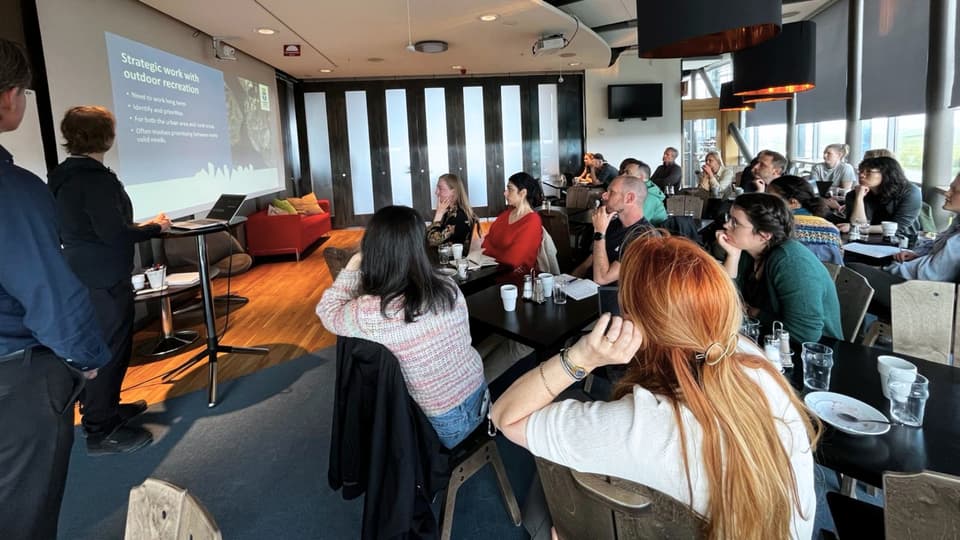
It is early summer, and the campus in Östersund is buzzing with quiet activity. PhD students from different countries are currently gathering here to deepen their understanding of the relationship between people and nature, and of how natural areas can be managed sustainably for tourism and outdoor recreation.
Mid Sweden University is hosting the course Visitor Management in Natural Areas with High Visitor Pressure, offered within the framework of the EU-funded Marie Skłodowska-Curie Doctoral Networks project VIMAS (Visitor Monitoring and Management in Protected and Recreational Areas). For the first part of the course, PhD students and supervisors meet in Östersund before travelling together to Vålådalen, Trondheim, and Dovrefjell in Norway.
Growing pressure on nature increases the risk of wear and conflicts
The course is motivated by the growing popularity of nature-based recreation and the changing patterns of outdoor activities. A wider range of recreational pursuits and a more diverse visitor population increase the risk of conflicts and environmental impacts on natural areas and trails. The PhD students are provided with knowledge and tools to address situations where different interests intersect. Peter Fredman, Professor in Tourism Studies, is the course coordinator.
“This doctoral course is unique because it creates networks and fosters connections between early-career researchers from different countries, as well as authorities and organisations working with visitor management in natural environments,” says Peter Fredman.
Exploring Saami perspectives
The course places particular emphasis on perspectives that are central in a Nordic context. One of the study visits takes participants to the South Saami cultural centre Gaaltije, followed by a field trip to Vålådalen where the PhD students will meet Handölsdalens Saami village, representatives from the Swedish Tourist Association, and the County Administrative Board.
There, they will gain deeper insight into Saami perspectives, the conditions of reindeer husbandry, sustainable tourism, and visitor management in nature reserves. Discussions will address the tensions that can arise between tourism, outdoor recreation and reindeer herding, while also exploring broader issues related to Indigenous rights and nature management. These are topics that are becoming increasingly important as visitor pressure grows.
From Östersund to Trondheim and Dovrefjell
During the latter part of the course in Norway, participants will learn about national strategies for visitor management in protected areas through field studies in Dovrefjell and a visit to the Norwegian Wild Reindeer Centre. Topics such as the right of public access, overtourism, and the commercialisation of nature will also be explored.
Elena Pibernik from Switzerland is a PhD student in Human Geography at ETOUR at Mid Sweden University. This evening, she will travel to Vålådalen together with her fellow course participants.
“This course is very valuable to me. It gives me the opportunity to meet and engage with other PhD students and stakeholders who work with, or in various ways are affected by, nature areas under increasing pressure. Learning from their perspectives and experiences helps me better understand how my own research on collaborative governance of multifunctional landscapes can contribute to addressing these challenges,” says Elena Pibernik.
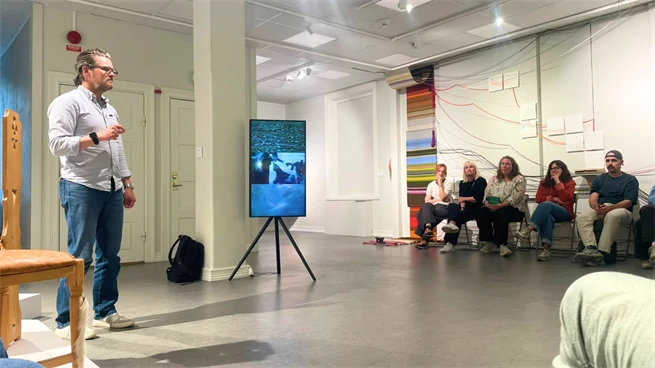
The European PhD students during a study visit to the South Saami cultural centre and museum Gaaltije in Östersund, where they had the opportunity to listen to Jerker Bexelius, Executive Director of the centre.
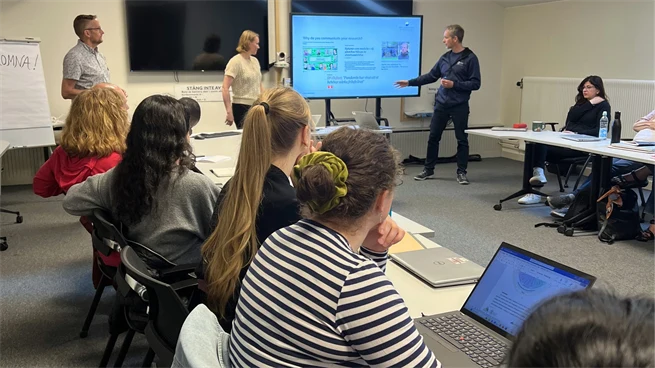
The PhD students during a workshop at the premises of the tourism research centre ETOUR on Mid Sweden University’s campus in Östersund.
Interviews and questions

Contact