Glögg, Christmas Trees and Culture Shock: “Christmas herring gives me the chills”
At last, Advent is here, brightening up the winter darkness with stars in the windows and candles on the tables. Naturally, we want to bring a little Christmas spirit to the staff pages too, so we asked four of our international researchers about their experiences of Swedish Christmas traditions.
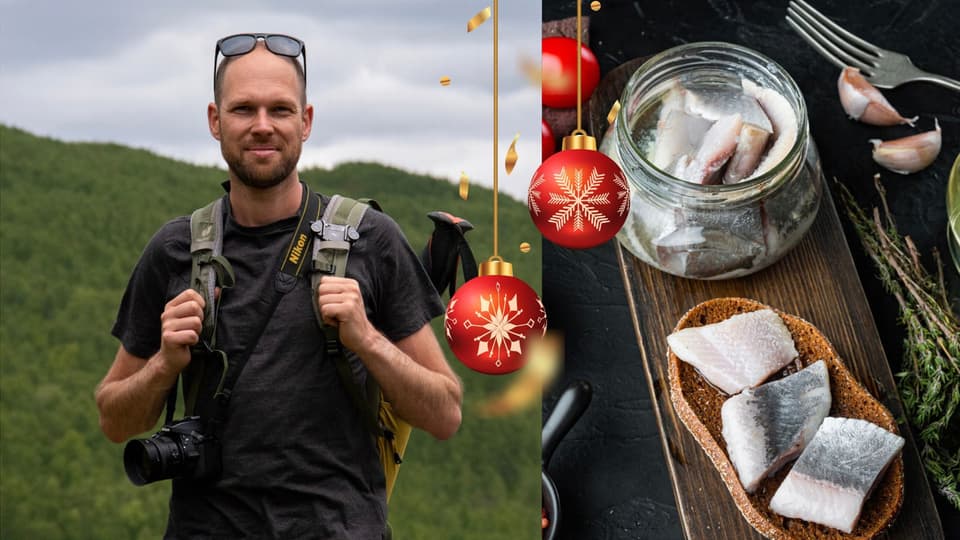
First up in our Christmas culture clash survey (!) is:
Coen van Bendegom
Department: EJT – Tourism
Research area: Visitor monitoring in nature-based tourism and outdoor recreation
Country: The Netherlands
Christmases spent in Sweden: Two – this will be my third.
Hi Coen, we hear you have a rather special relationship with herring?
Just thinking about herring sends chills down my spine. I’ve seen cured herring in all sorts of flavours but none none seem even remotely appealing. I’ve tried it, of course, because I think you can get to know a country better through its cuisine – but for me, that was a one-time affair. I do love the sweet treats on the Swedish Christmas buffet, though.
Well, each to their own! Is there another Swedish Christmas tradition that you’ve taken to heart?
The Christmas calendar on TV is a tradition that I find both different and interesting. I think it’s great that SVT broadcasts a new Christmas story as a calendar every year. Snödrömmar was my first one, and it was a nice way to get into the Christmas vibes and learn about Swedish Christmas traditions.
What about the Netherlands, then? Tell us about your strangest Christmas tradition!
Perhaps the strangest thing is that Christmas has to compete with Sinterklaas, the Dutch version of Santa Claus, which is much older than the American Coca-Cola version. We celebrate Sinterklaas on 5 December, and instead of arriving by sleigh pulled by reindeer, Sinterklaas arrives by steamboat.
Traditionally, we don’t exchange Christmas presents because we have Sinterklaas instead. We do have a Christmas tree, but we can only put it up after Sinterklaas has left. We cook and share food with family and friends and celebrate Christmas Eve, Christmas Day and what we call “Second Christmas Day”.
There has been a lot of controversy surrounding the use of blackface, which used to be part of the tradition. Sinterklaas’s helpers were portrayed with black faces, supposedly because they had to come down the chimney to deliver presents, but the tradition also contained many references to slavery and systemic racism. Fortunately, most of the Netherlands has moved away from this, and today the helpers have either rainbow-coloured faces or soot marks on their faces.