Work environment in focus: The employee survey – a door opener for important conversations
Now it's time for the last parts of the mini-series about our work environment. This time it is the Study Administration, STUA, that explains how they work with the employee survey to make concrete improvements. In two articles, you will hear from the manager and the employee.
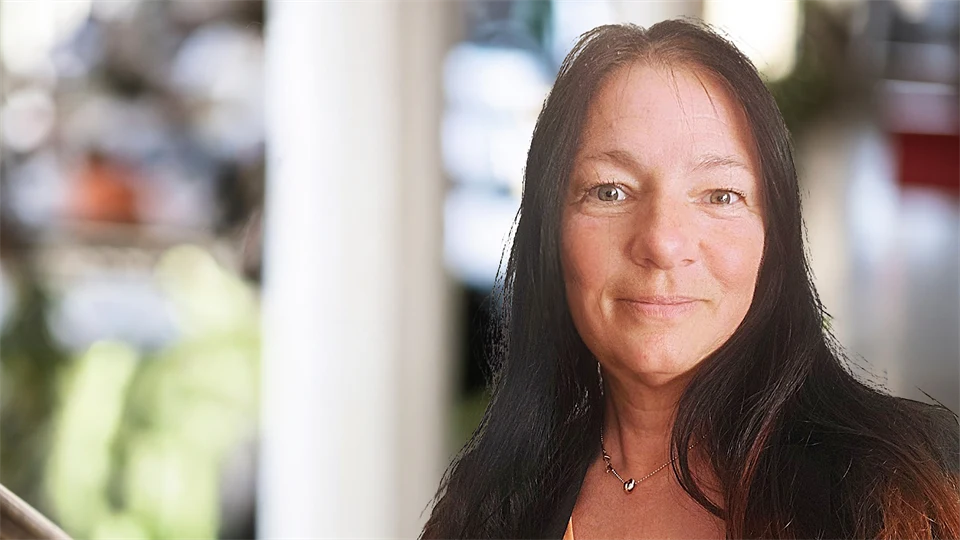
When the results of the employee survey were presented to the Study Administration (STUA) in the spring of 2024, they became the starting point for a joint conversation rather than a conclusion. For Agneta Sundvisson, head of STUA, it was important to set the framework for how the results would be understood and used at an early stage.
"The results report is not a judgment or a rating of our workplace," she emphasizes. Nor is it the report that determines whether we have a problem or not – only we who work here can do that together," she says.
The employee survey had been answered by all employees in February and presented in several forums during the spring and winter, including at APT, in LSG and at group leader meetings. However, it was not until early summer that the right conditions were there to work more actively with the results. Then the entire department gathered for a department day with the work environment in focus.
Creating a common understanding
Since some time has passed since the presentation, the department began the day by jointly looking at the results again – which areas were marked green, yellow and red. Then they highlighted concepts such as health factors, risk factors and social capital.
"The report became our common starting point. But first we needed to talk about how we were going to read it," she says.
The working method itself was based on participation. The employees were divided into mixed groups with people from different functions and areas of activity. The task was to make a so-called "back translation" of the survey questions – what do they really mean to us, here and now?
"The more concrete examples we could find, the easier it became to continue working. When we put our own words to the results, we also began to move from mapping to action," says Agneta Sundvisson.
From red and yellow to priorities
The groups worked with special worksheets where they got to delve deeper into the areas that have been marked red, but also the opportunity to highlight other issues they considered important. Among other things, they had to decide whether an area was actually a problem, whether it was possible to influence and – if so – how likely and serious the consequences were. Then measures were proposed, or it was decided that no action was needed.
When everything was put together, two focus areas for the department crystallized – a red area linked to quantitative requirements and a yellow area around organizational justice.
"When it came to the quantitative requirements, it was clear that time was the biggest factor," says Agneta Sundvisson.
The proposals that came up included staffing, priorities, reviewing what actually needed to be done – and what could be removed – and streamlining and simplifying processes.
Small steps that do not burden
Here, STUA chose a deliberately "easy" way forward: instead of creating new action plans, it took stock of things that were already about to be completed or that were already underway and could help reduce the load.
"We chose not to impose additional measures that would burden us even more," says Agneta Sundvisson.
In practice, it was about redistributing tasks, borrowing employees between business areas, digitizing processes, dismantling systems and developing support as FAQs. STUA has also spent time talking about and testing different ways of managing time in everyday life.
The work on organizational justice turned out to be more complex. One suggestion was to address the issue in one of STUA's recurring theme classes and talk about why feelings of injustice arise, what comparisons are made and how internal "truths" can reinforce the experiences.
"We also investigated whether there were tools or other organisational units to collaborate with, but it didn't fall into place," says Agneta Sundvisson.
Since the area had not been given a particularly high risk value, the department finally chose to end this focus area without concrete measures.
Knowing when enough is enough
When she is to summarize the work, she highlights the delimitation as a success factor.
"The most important thing was not to make the work too big," she says. If the action plan does not create value, we must dare to end. Otherwise, the work risks becoming a burden in itself. As a manager, it's also a balancing act between the feeling of never having done 'enough', while employees sometimes feel that the work is done, or the opposite, that I think it's enough but the employees don't," says Agneta Sundvisson.
Read Also:
On February 2, 2026, it is time for the next employee survey
Here you can read more about the employee survey
More articles in the series
Work environment in focus: When the results are conversations – this is noticeable in everyday life
How does an employee survey become more than numbers and charts? For Richard Thornberg, STUA, it's about conversations, repetition and small...
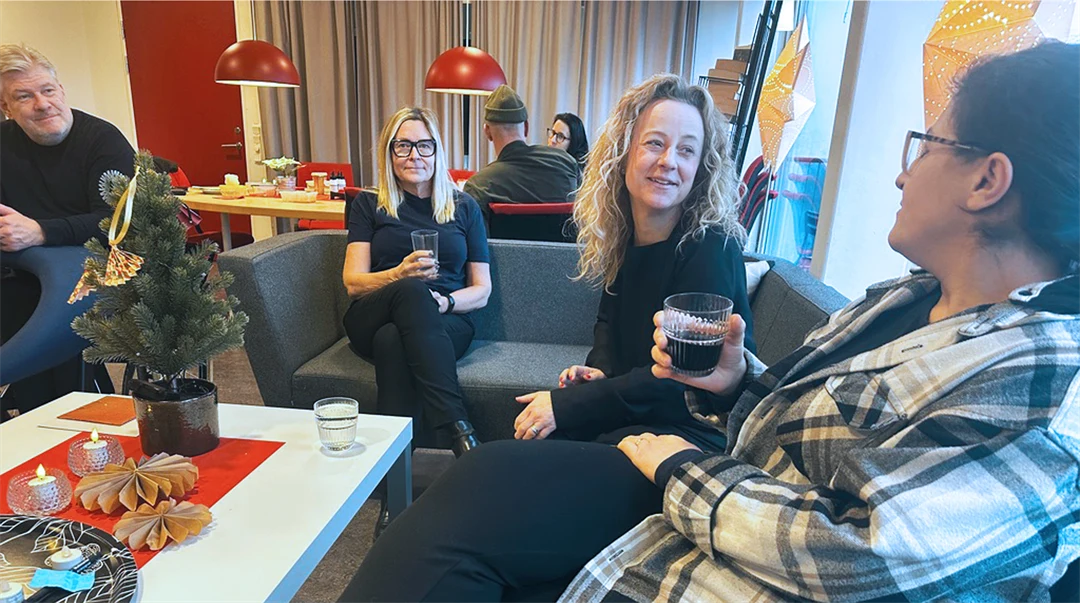
Arbetsmiljö i fokus: Samarbete och delaktighet på NDH Design
I denna miniserie lyfter vi goda exempel på hur arbetsmiljön kan stärkas på Mittuniversitetet, varför medarbetarundersökningar är viktiga och...
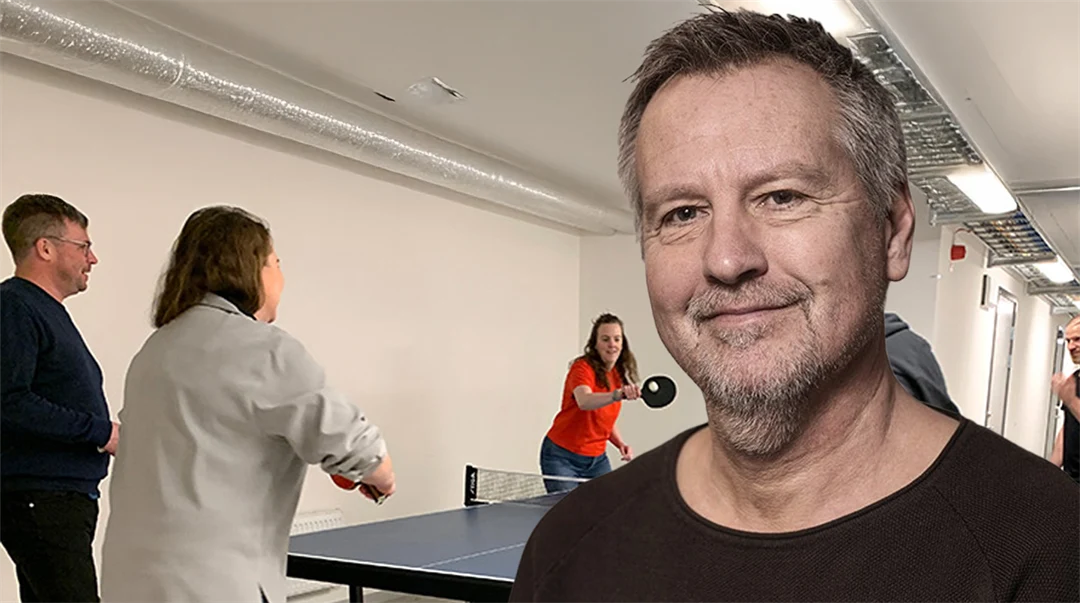
Arbetsmiljö i fokus: Rundpingis, poängjakt och pulsmätningar på HOV
I denna miniserie lyfter vi goda exempel på hur arbetsmiljön kan stärkas på Mittuniversitetet, varför medarbetarundersökningar är viktiga och...
Arbetsmiljö i fokus: Från stillasittande till sammanhållning
Medarbetarenkäter kan peka ut var det skaver – men förbättringarna sker ofta i vardagen. Elin Nyberg och Jennie Farrell berättar hur ett...