Students help shape the future of ChallengeEU
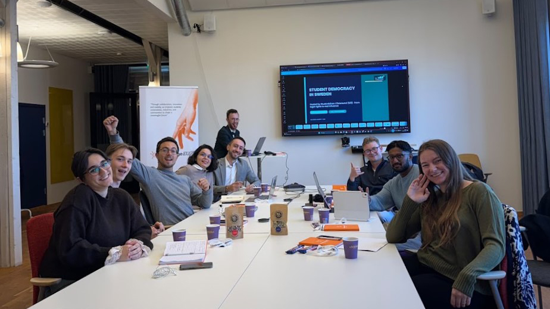
How can students have a real influence within a European University Alliance? During a workshop in Östersund, representatives from ChallengeEU Student Council came together to share experience and develop ideas to strengthen the student voice across the alliance.
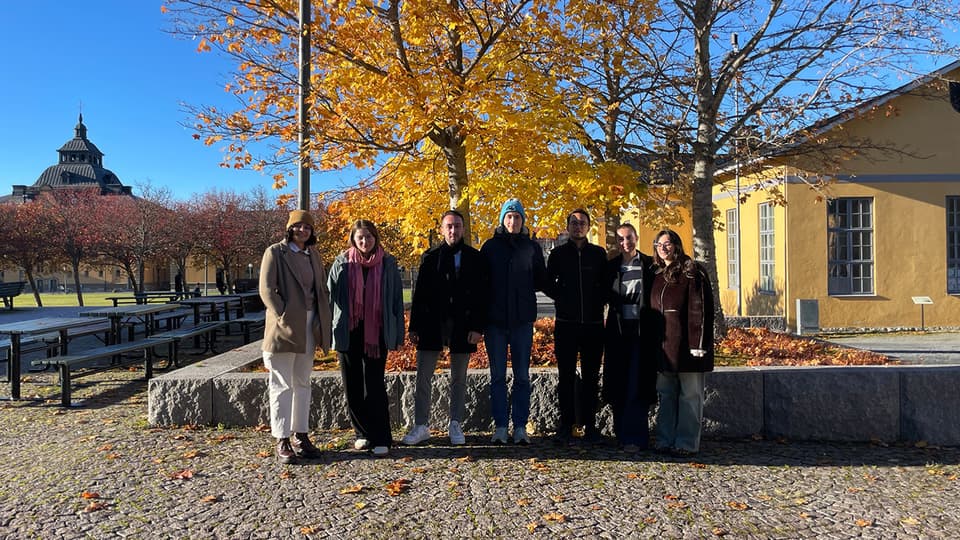
The ChallengeEU Student Council (CSC) brings together student representatives from the alliance’s nine partner universities. Its role is to bring student perspectives into the development of ChallengeEU and create opportunities for students to influence how the alliance evolves.
The Student Council also acts as a link between students, their local student organisations and ChallengeEU. This is not simply about having students represented at meetings. It is about ensuring that their experiences and perspectives are considered when activities are developed and decisions prepared.
Different systems, shared challenges
During the workshop in Östersund, participants compared how student representation and influence work at the different partner universities. The conditions vary between countries. Students may, for example, be represented through student unions, student councils, elected representatives or different university bodies.
The participants therefore focused on how the Student Council can develop shared ways of working without requiring every partner university to use the same system. One recurring conclusion was that meaningful student influence requires more than a formal seat at the table. Student representatives need to receive information in good time, have opportunities to influence the agenda and be able to discuss issues with other students before decisions are made.
Clear feedback is equally important. Students should be able to understand which issues their representatives are working on, how they can contribute their own views and what happens after an issue has been raised.
Turning student ideas into concrete activities
One of the key questions during the workshop was how the Student Council can move from discussion to activities that students themselves help shape.
One proposal was to explore the possibility of developing a student-driven Blended Intensive Programme (BIP). A BIP is a short educational activity that combines online collaboration with an in-person component, bringing together students from several European universities.
The idea is for students to identify a shared challenge and take part in shaping the activity’s theme, content and ways of working. Students from different fields of study could then work together, bringing different perspectives to topics such as health and well-being, sustainable development, digitalisation or entrepreneurship.
The proposal is still at the idea stage. Before such a programme could be implemented, several aspects would need to be explored, including the theme, participating universities, funding, academic content and practical arrangements.
Making students’ work more visible
Participants also discussed how the Student Council can become more visible and accessible to students at the partner universities. This could include short introductions to Council members, regular updates on current issues and clearer ways for students to contribute ideas, share feedback or take part in activities.
Greater visibility is not only about sharing information. Students also need to know who represents them, what issues the Student Council is working on and how their own perspectives can reach the alliance.
Ensuring continuity as representatives change
As student representatives often serve for a limited period, the Student Council also needs effective ways to transfer knowledge and ongoing work to new members.
During the workshop, participants discussed clearer handover procedures, shared documentation, introductions for new representatives and certificates recognising students’ contributions. The aim is to ensure that the work can continue when representatives leave their roles, while each student organisation continues to decide how its own representatives are appointed.
Next steps for the Student Council
Following the workshop, the work continues to develop the ideas discussed. The next steps include:
- exploring opportunities for student-driven educational activities within ChallengeEU
- developing ways to support handovers and knowledge transfer between representatives
- mapping how student representation works at the partner universities
- making the Student Council and its work more visible to students
- creating clearer opportunities for students to contribute ideas and perspectives
The workshop highlighted that student influence is not simply about giving students the opportunity to participate. It is also about involving them early enough to make a difference, giving them meaningful opportunities to shape the process and ensuring that they can see what their participation leads to.