
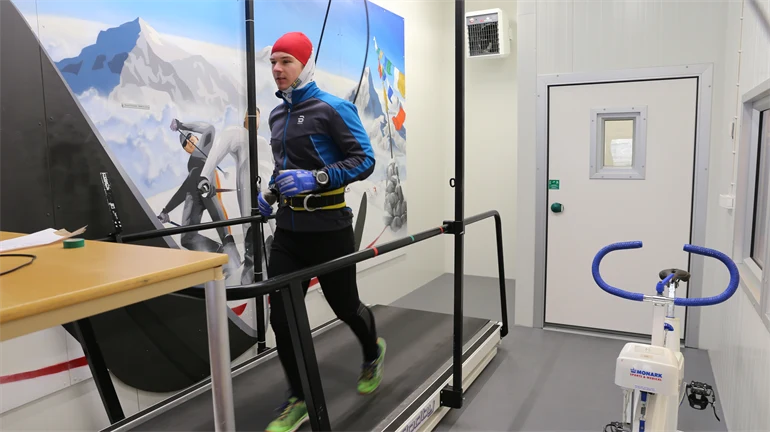
Aegis 4: screening study
By investigating lung function after an exercise test in -15°C among 16–19-year-old students at Swedish ski high schools, this study will, to our knowledge, be the most comprehensive screening stud...
The Swedish Winter Sports Research Centre (SWSRC) has two primary research foci: sports and performance as well as sports and health.
In sports and performance, the physiological research at SWSRC primarily focuses on aerobic energy processes and the factors that limit aerobic performance capabilities. The aim is to explain physiological mechanisms using research questions that are relevant and applicable in the field of sports. Biomechanical research is focused on through the analysing of internal and external loading and forces in bodies and materials. Biomechanical measurements can quantify movement patterns and forces in different work forms and be individually optimised. A special area of interest for SWSRC is conducting studies in which the knowledge fields of physiology and biomechanics are integrated, with the aim of achieving a more inclusive understanding of factors that influence performance. This is primarily done using cross-country skiing and biathlon as the working models, both in the laboratory and in the field.
Physical inactivity is a major contributing factor in a range of modern health problems, such as type 2 diabetes, Reaven’s syndrome, and cardiovascular diseases. Factors such as smoking, poor nutrition, physical inactivity and alcohol now account for up to half of the lifestyle-related ill health that result in death and, according to the WHO, this proportion will increase to 60-70% by 2020. Osteoporosis is another common condition in Sweden; at the ages of 70-79, one in three women can be diagnosed as having osteoporosis when the density of their hip bone is analysed. This is why SWSRC has created a ‘phys-lab’ (in the field of sports and health) that allows research and development work related to public health.
SWSRC has international partnerships and collaborations with other universities and research centres, and a number of international research projects are underway. More information about the research strategy and projects can be found on the relevant pages.
By investigating lung function after an exercise test in -15°C among 16–19-year-old students at Swedish ski high schools, this study will, to our knowledge, be the most comprehensive screening stud...
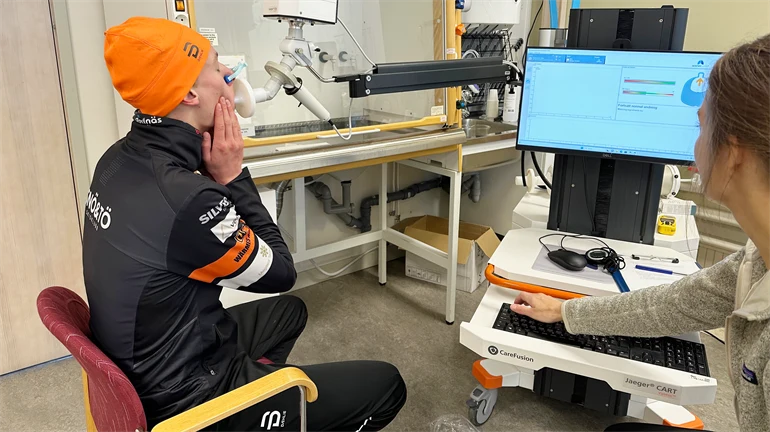
The project aims to determine prospectively whether atopy, asthma, ventilatory and lung function and use of asthma medication are associated with exercise performance capacity among elite athletes...
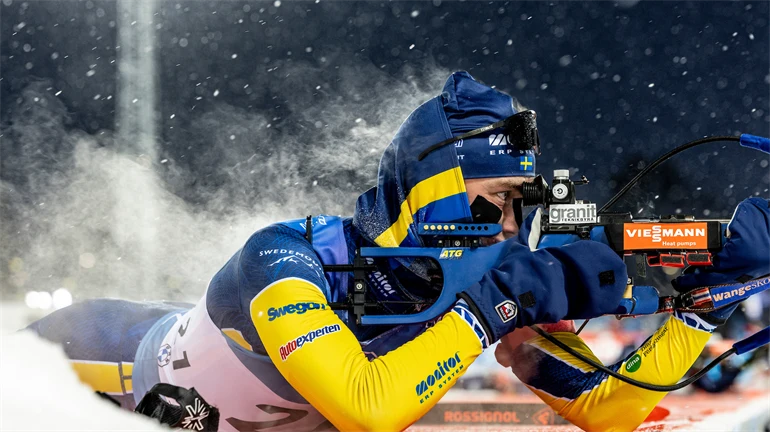
The BIAPER project aims to clarify how skiing speed and shooting performance affect the overall outcome in different competition formats, as well as whether and how they are linked to various...
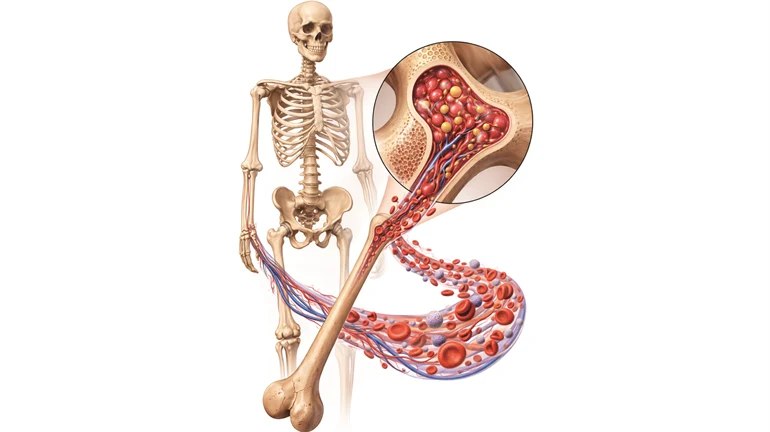
The BonePET project aims to study the blood flow in bone marrow during physical exercise at different intensities.
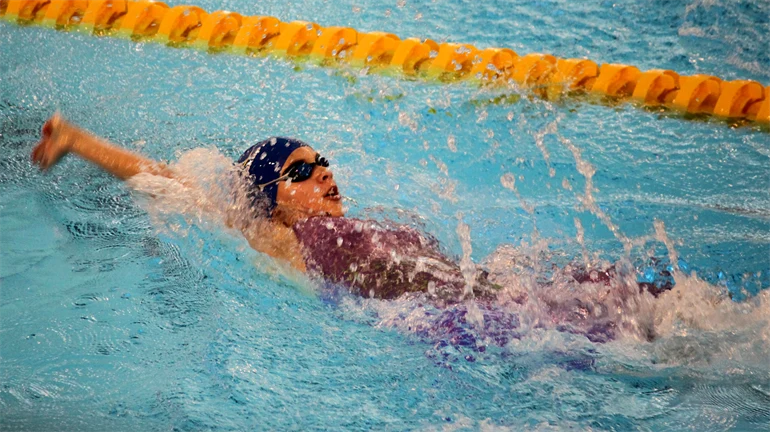
How do young athletes who combine elite sports and high school studies develop their physical qualities over time? This study seeks answers to this question and aims to create new knowledge that...
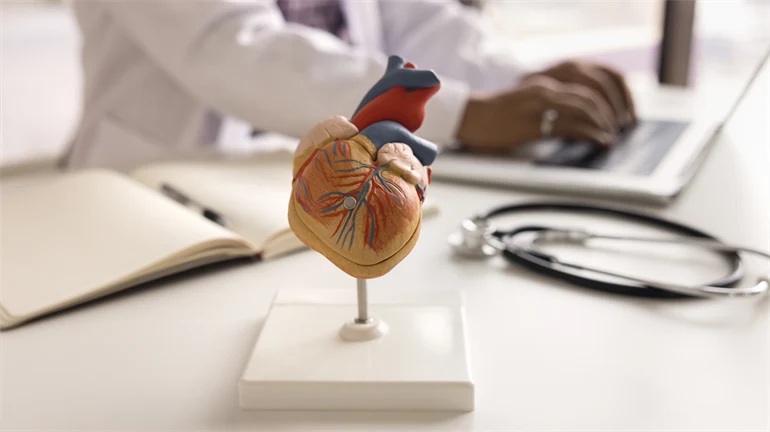
The MyME project aims to investigate the heart muscle’s own blood flow capacity and energy metabolism during physical exercise and recovery.
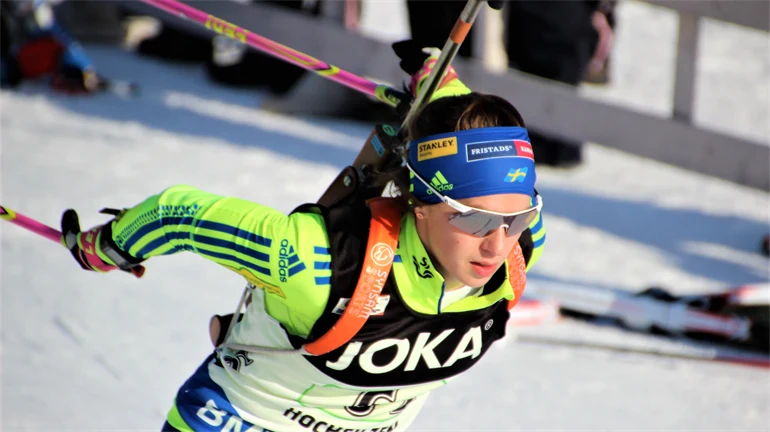
How does the rifle affect the biathlete and is it possible to develop the sport-specific training in order to perform better?
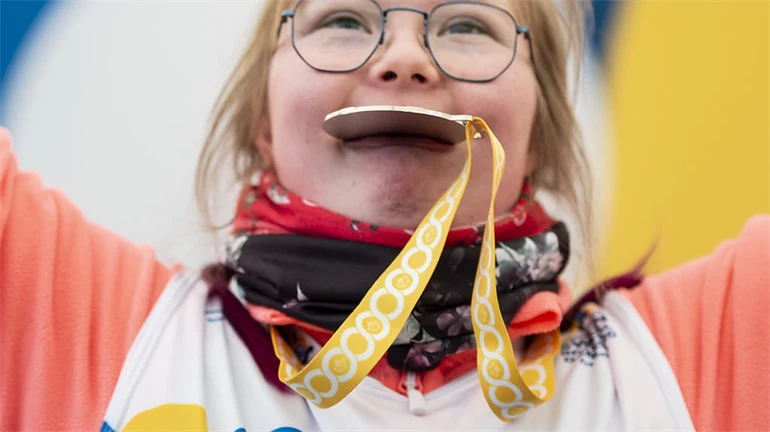
The Sport School is an intervention to promote active leisure time activities for adolescents with intellectual disability. It is arranged by sports federations, clubs and the public sector. The...
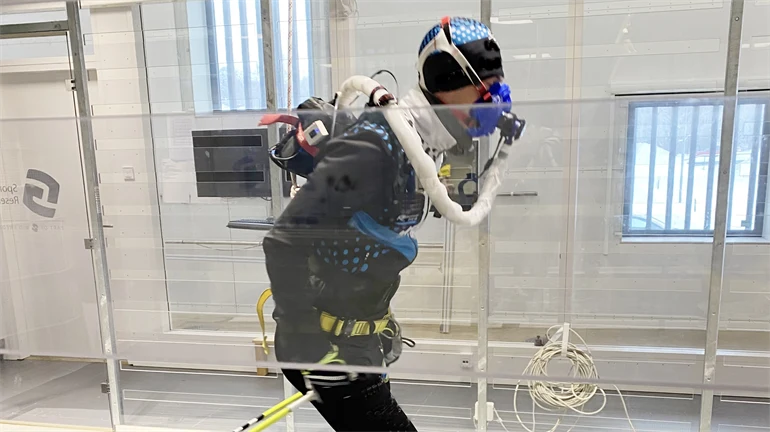
The aim of the project is to increase knowledge about how weather factors affect the measurement accuracy of portable energy measurement systems used in field research.
The page was updated 4/7/2021
Content owner:
Nationellt vintersportcentrum, NVC