Webinar: Who Owns AI Risk in Your Business?
Who Owns AI Risk in Your Business? Many small and medium-sized companies use AI and digital systems in their daily operations. But who is responsible when data is wrong, systems fail, or AI-driven decisions create risk?
This webinar explains what Trustworthy AI means in practice and how companies can stay secure, resilient and compliant when using AI and connected systems.
About the event
As AI and connected digital systems become part of business-critical operations, responsibility for security and reliability often falls between organisational boundaries. IT, operations, suppliers and cloud providers all play a role - but no one owns the full picture.
This creates hidden risks in connected systems, where data, signals and automated decisions are trusted without sufficient verification, security or fallback.
This webinar is based on insights from the research project TRUST - Secure, Resilient and Trustworthy Wireless Solutions for Remote Regions, and focuses on practical, real-world challenges faced by companies using AI and connected systems.
What is Trustworthy AI?
Trustworthy AI means AI systems you can understand, control and take responsibility for.
In practice, this means:
- Understanding why AI makes a decision
- Knowing who is responsible across systems and suppliers
- Verifying data, signals and AI outputs
- Having fallback solutions when systems or connectivity fail
- Trustworthy AI is about reducing business and security risk, not advanced technology.
What you will learn
- Key security challenges in AI‑enabled and connected systems
- What operational resilience means in practice
- Why unclear ownership increases cyber risk
- How explainable AI improves trust and control
- What the EU AI Act means for SMEs
This event is part of the research project TRUST- Enhancing Wireless Communication & Sensing with Secure, Resilient, and Trustworthy Solutions, funded with support from Interreg Aurora EU programme. The project is a collaboration between Mid Sweden University and University of Vaasa.
Speakers
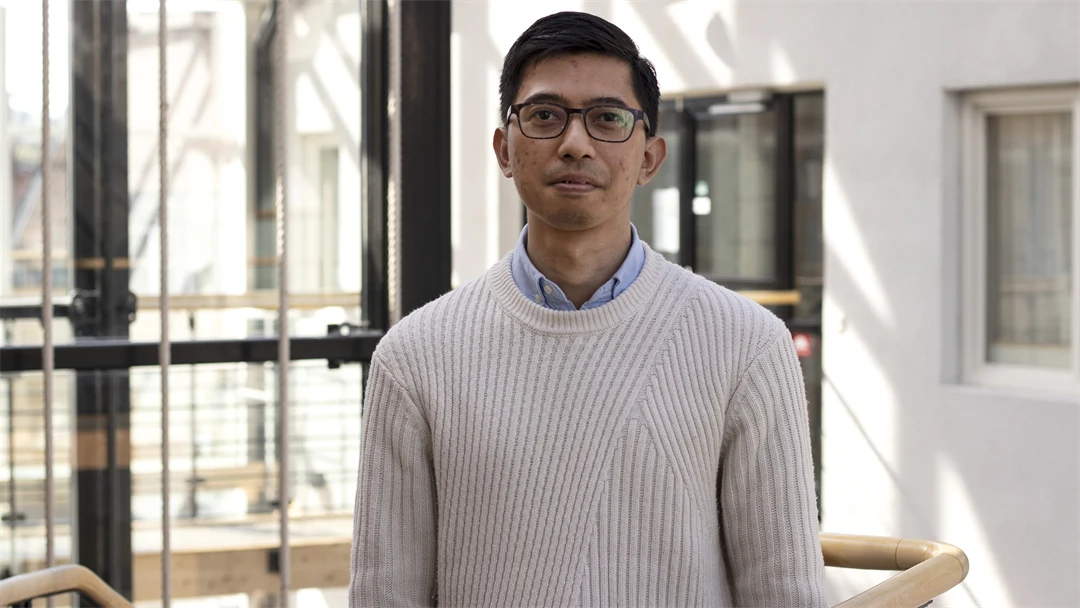
Kyi Thar, Mid Sweden University
Kyi Thar works as a senior lecturer in computer engineering at Mid Sweden University's research center STC. Expert in machine learning and deep learning and one of the driving forces behind the research project TRUST - which develops the secure data communication of the future using AI.