Economic valuation of outdoor recreation and access to nature ‑ Alnö Stornäset
Within the broader research area of environmental and resource economics, the project "Alnö Stornäset" examines how individuals and households value access to nature and outdoor recreation in protected coastal environments in Sweden.
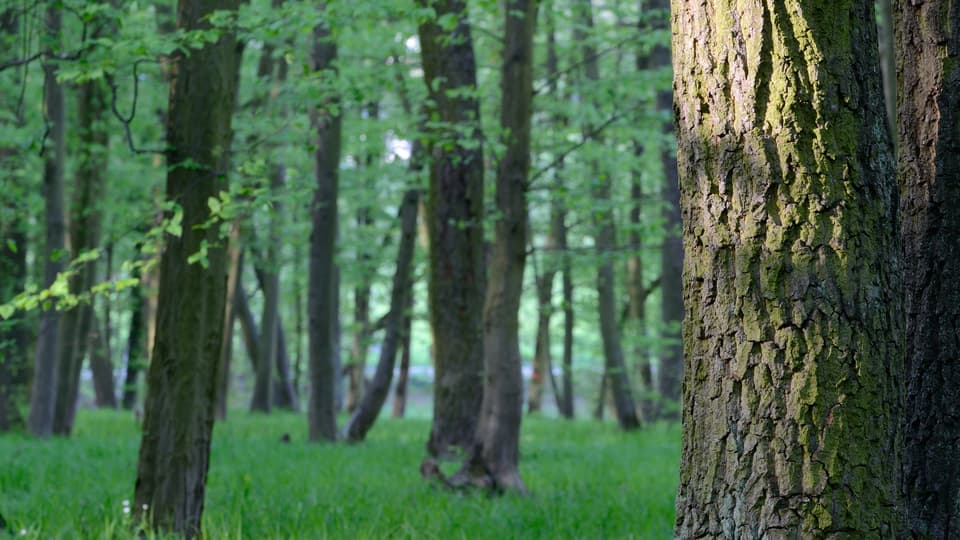
The study uses the Contingent Valuation Method (CVM) to analyze how visitors and locals value recreational opportunities, environmental quality and nature conservation efforts in the Stornäset Nature Reserve on Alnön.
A central focus of the project is to understand how willingness to pay and support for environmental protection are expressed in survey-based valuation studies, and how these responses reflect underlying preferences for nature conservation, accessibility and sustainable tourism development.
The project also examines how environmental values are shaped and how they can be translated into decision-relevant knowledge for the management of protected areas. By combining environmental economics methods with behavioral insights, the study aims to improve the interpretation and reliability of stated preference data in environmental policy contexts.
Overall, the project contributes with knowledge about how public preferences can be integrated into environmental assessment and used to support a more evidence-based and sustainable management of natural resources and nature-based tourism.
Overall purpose
The project, which is being carried out within the framework of CER - Center for Research on Economic Relations, aims to evaluate the economic importance of outdoor activities and natural resources in Stornäset Nature Reserve. The goal is also to develop knowledge that can support sustainable management of protected natural areas in Sweden.
Overall question
How do individuals value access to nature, outdoor recreation and nature conservation in the Stornäset Nature Reserve, and how can these values be used in sustainable management and decision-making?
Project leader

Funders