Turning reform into practice: implementing Nära vård in Swedish primary care
The project examines how the Nära vård reform is understood and implemented in primary care, focusing on leadership, working conditions and organisational conditions.
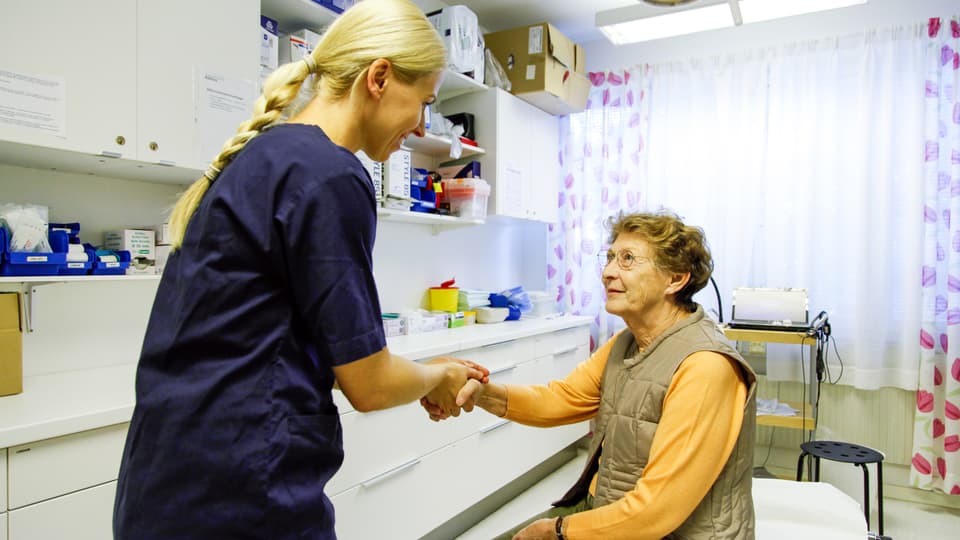
The project seeks to understand how the Nära vård reform is interpreted, translated and implemented in Swedish primary care. The reform aims to create more accessible, person-centred and coordinated healthcare, with primary care as the foundation. The project focuses on how reform goals are enacted in practice and which conditions shape implementation.
Particular attention is given to primary care leadership, psychosocial working conditions, and the ability to recruit and retain staff and managers. Through interviews with frontline managers, senior managers and politicians in four regions, the project explores how the reform is understood locally, what changes have been implemented or planned, and which barriers and facilitators influence the process. Region Jämtland Härjedalen is one of the participating regions.
The project is conducted in collaboration between Linköping University, Mid Sweden University, Karolinska Institutet, Linnaeus University and participating regions. Its aim is to strengthen knowledge about the organisational and work-related conditions in primary care and to generate practically useful knowledge for a sustainable implementation of the Nära vård reform.
Facts
Project period
260101—280131
Departments
Project leader

Project members

Funders