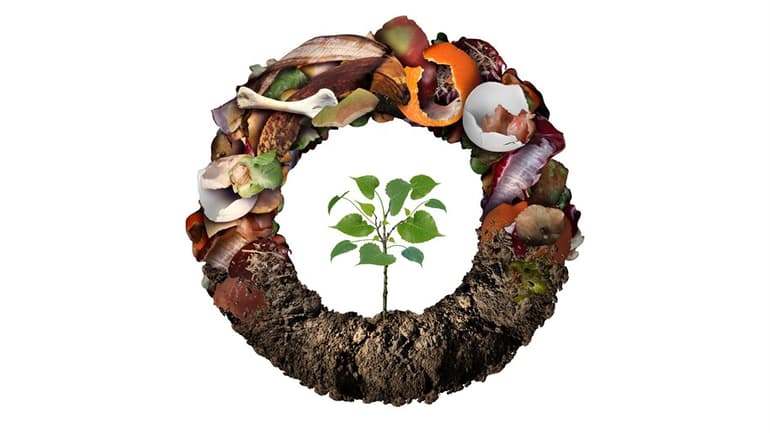
The group's research deals with the bioremediation of fiber banks and the biocatalytic transformation of residue from the forest into value-added products, as well as semiochemicals used for the chemical communication of pests in forests and crops.
The research in Eco-chemistry at Mid Sweden University is focused towards the following research areas:
- biocatalytic transformation of residue from the forest into products such as biochemicals, biofuels, meat substitutes, animal feed and more
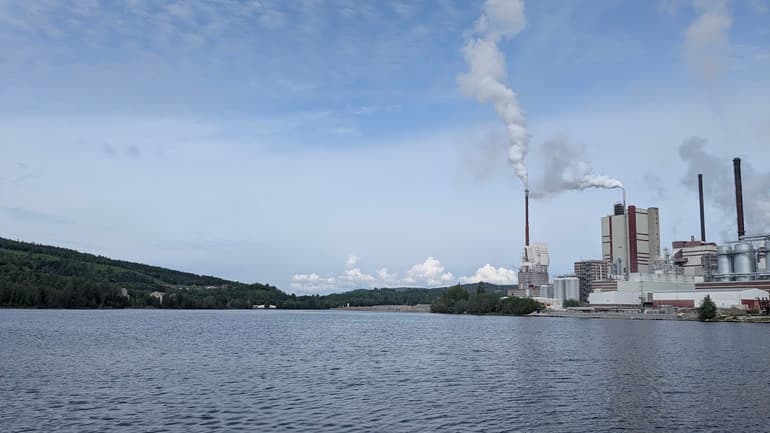
- bioremediation of fiber banks using yeast, bacteria, fungi and plants
- analysis, synthesis and extraction of natural products and its bioactivity in order to use them as an environmentally friendly protection of forests and plants from insects and wood decaying fungi
- design and synthesis of environmentally friendly organic compounds with a specific, desired function.
The research group has access to laboratories that are well equipped for all types of work in the context of modern analytical methods and organic synthesis. For example, we have access to bioreactors, incubators, climate cabinets, autoclaves, a cell counter, PCR equipment, green house and instrument for analysis, such as 500 MHz NMR(HRMAS), 250 MHz NMR(CPMAS), GC-FTIR, GC-ECD, GC/GC-MS/MS-ion trap med PFC, SQ GCGC-MS, SQ GC-MS, SQ-GCMS-EAD (HES), 3 GC-FID, LC-QTOF, LC-RID, LC-DAD, LC-ICPMS, ICP-OES.