Nanogenerators and self‑powered sensors
Triboelectric nanogenerators create electrical energy from mechanical motions.
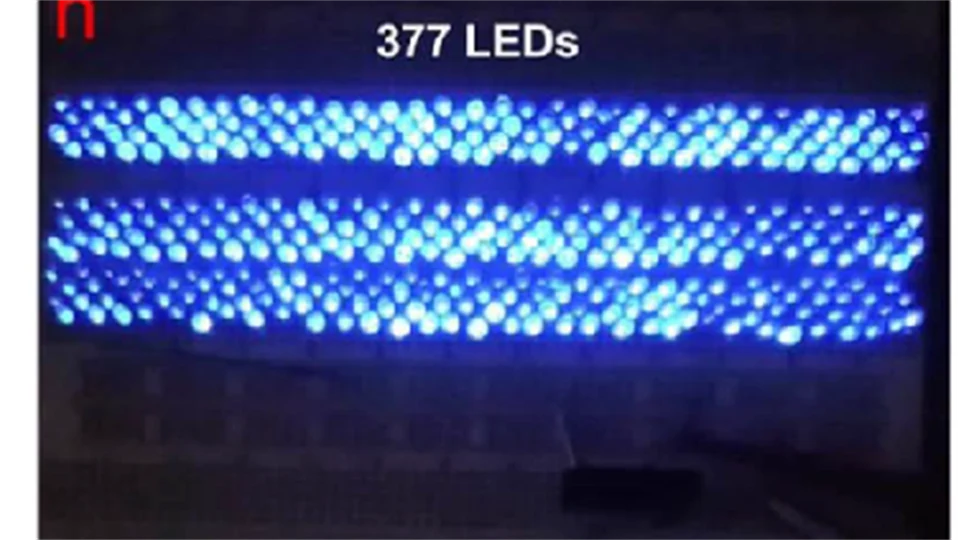
Triboelectric nanogenerators (TENGs) are energy-harvesting devices that convert mechanical energy into electricity using the coupled effects of triboelectrification and electrostatic induction. When two materials with different electron affinities come into contact and then separate, electrons transfer between their surfaces, creating opposite charges. The resulting electrostatic potential drives current through an external circuit when electrodes are connected. Repetitive motion produces continuous electrical output.
TENGs operate in four main modes: vertical contact–separation, lateral sliding, single-electrode, and freestanding triboelectric layer. They can harvest energy from diverse low-frequency mechanical sources such as human motion, vibrations, and water waves. Key advantages include high efficiency at low motion speeds, light weight, flexibility, and ease of fabrication using common polymers or fabrics.
Applications span wearable electronics, Internet of Things (IoT) devices, blue energy harvesting, biomedical implants, and self-powered sensors. TENGs can also function as motion or pressure sensors while simultaneously supplying power.
Our focuses include:
1. The fundamentals of triboelectrification: By combining quantum chemistry calculations and experimental verifications, we aim to explore the mechanism of the charge transfer between surfaces.
2. Development of triboelectric materials: We are developing high-performance triboelectric materials using chemical and physical methods.
3. Self-powered sensors: Develop self-powered sensors that can be used for healthcare, motion monitoring, security and human-computer interactions.