The subject of sports science, whose research intersects extensively with the Swedish Winter Sports Research Centre (NVC), encompasses two main research themes: performance and health, and environmental physiology. While these themes highlight different areas of specialist competence, they frequently intersect to form the basis for interdisciplinary work.
Performance and health
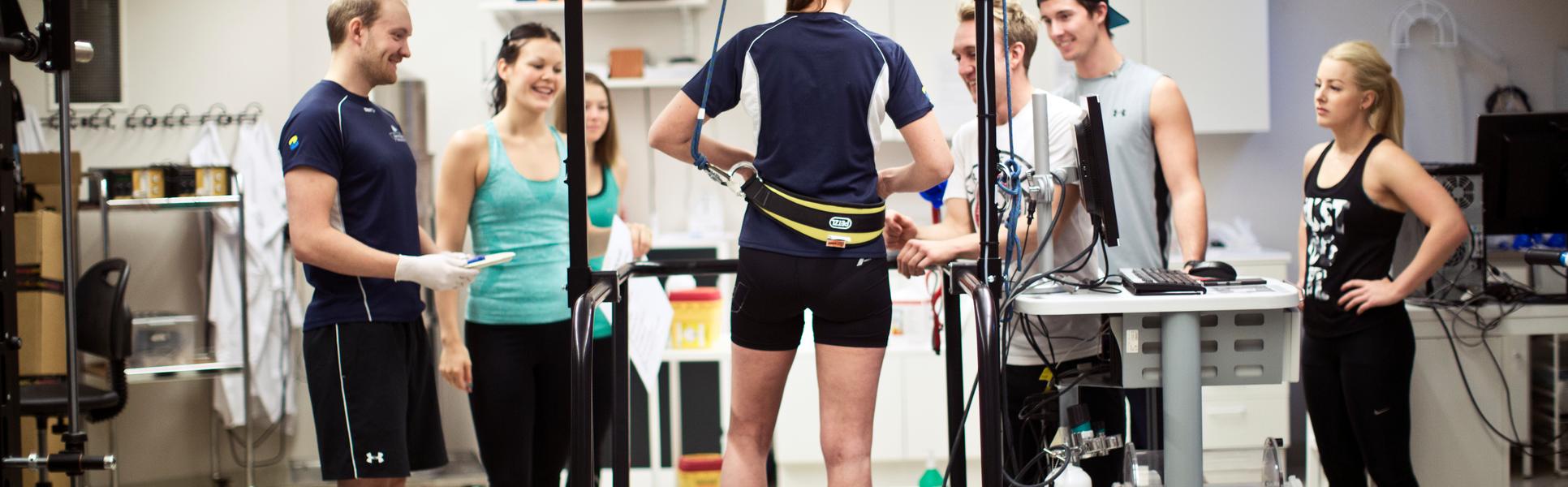
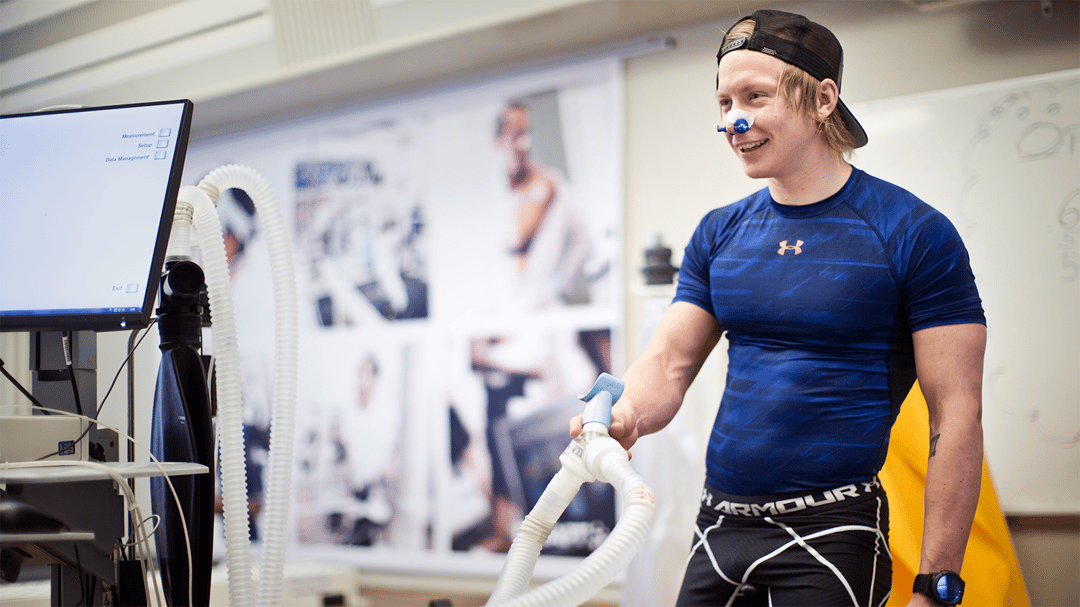
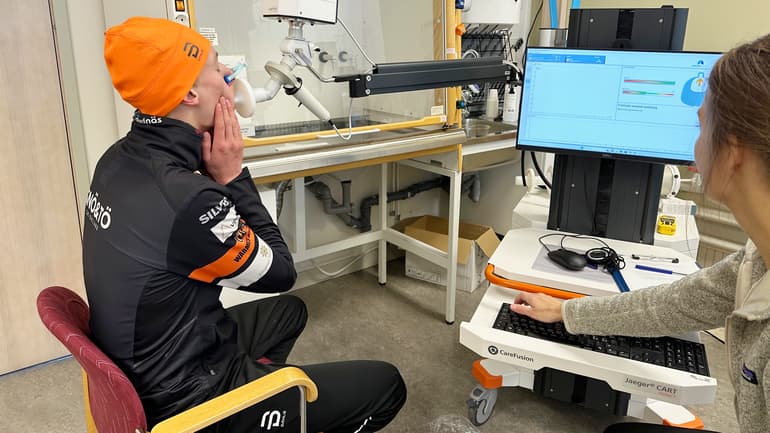
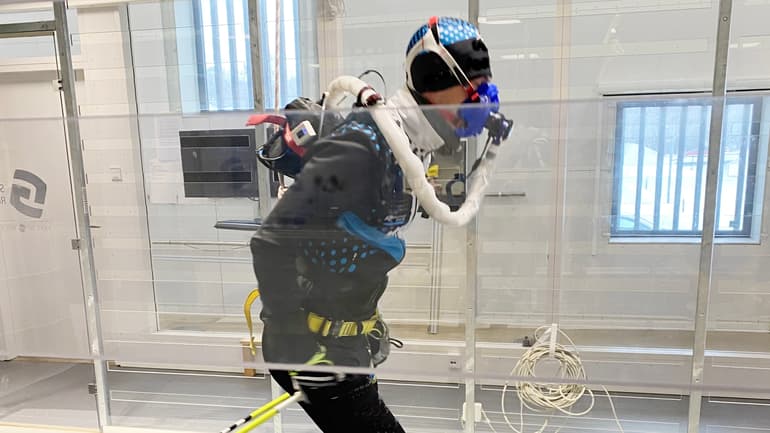
This research theme is centered around applied research related to athletes’ training to support long-term and sustainable performance development. Key areas of focus include understanding adaptation to acute exercise and training, evaluating the efficacy of different training methods, lab- and field-based testing of performance capacity, identifying performance determinants, and assessing the impacts of training on health.
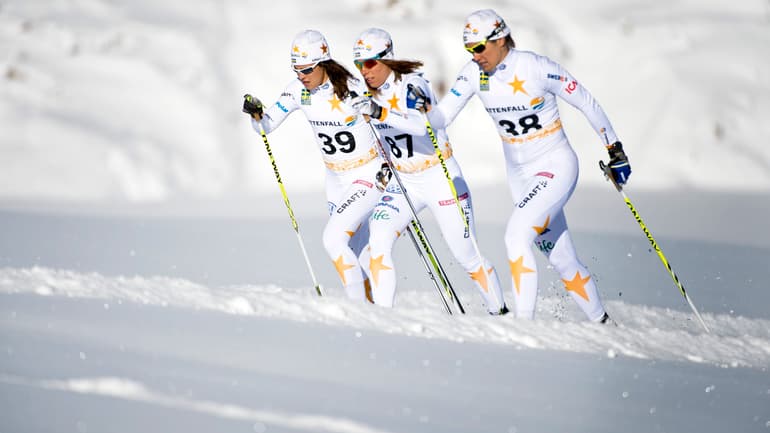
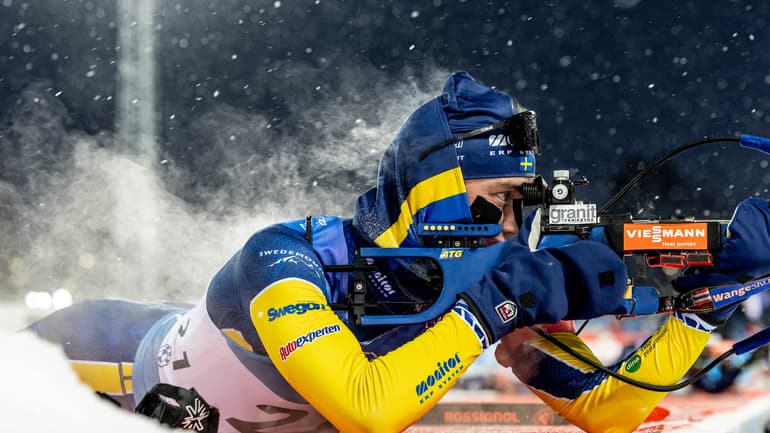
Research within this theme encompasses methods and expertise within exercise physiology, biomechanics, sports medicine, performance analysis and psychophysiology. The primary target groups are winter athletes, predominantly in cross-country skiing and biathlon and to a lesser extent in alpine ski and other winter disciplines, ongoing projects also extend to other sports. Another important branch of work within this theme involves promotion of exercise among diverse groups of individuals including those with intellectual and physical disabilities.
Environmental physiology
This research theme focuses on understanding human adaptation to extreme environments, with primary emphasis on oxygen deficiency (hypoxia) encountered during activities such as free diving or high-altitude mountaineering. Our research is rooted in integrative and experimental physiology conducted in both laboratory settings and extensive field studies.
Key areas of focus include training and performance in competitive freediving, alongside safety considerations across all freediving disciplines, where our research group is an international leader. Additional projects explore acclimatisation and performance in high-altitude hypoxia, aiming to predict individual sensitivity and optimise acclimatisation strategies to enhance performance and improve health outcomes. Other projects have explored breathing techniques, nutritional supplementation, and thermoregulatory responses to cold environments.