New insights into the introduction of reindeer husbandry in Åarjelsaepmie, the South Saami region
Reindeer husbandry is a central element of Saami culture, yet the timing and dynamics of its introduction across different parts of Saepmie — especially in Åarjelsaepmie (the South Saami region) — are subject to debate.
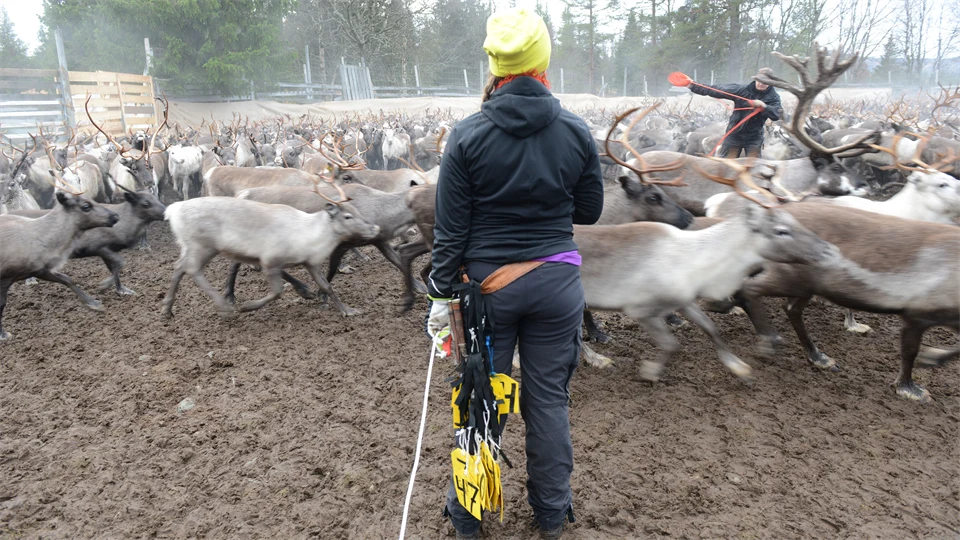
Because the earliest traces of reindeer herding in mountain landscapes are often ephemeral and challenging to record using traditional archaeological methods, novel analytical approaches are required.
In this recently started research project (2025–2027), we address this knowledge gap through an interdisciplinary research design. Our empirical plan relies on investigation of peat archives from bogs adjacent to historical South Saami settlement areas. To trace early human presence and domestication, we combine palaeoecological analyses (pollen and macrofossil analyses) with sedaDNA techniques (metagenomic sequencing and target sequence enrichment). The aim is to establish a reliable chronology for the emergence of domesticated reindeer herding in the region.
Crucially, the project applies Indigenous methodology, meaning the research is co-produced with the South Saami community at every stage. The project team unites academic archaeologists with experienced reindeer herders, integrating high-resolution scientific analyses with profound, traditional knowledge of reading and interpreting the mountain landscape.
By combining advanced environmental and genomic analyses with traditional landscape understanding, we aim to provide crucial new insights into historical human land use in highland environments and the origins of reindeer husbandry.
The project is funded by Alcoa Foundation and Landsprosten Erik Anderssons Minnesfond.
Kontakt