Reading/Listening: A comparative study of audiobook listening, reading aloud, and silent reading in elementary school
Can you read with your ears? Or does silent reading provide a different experience? Does it matter whether young children listen to an audiobook or to a person reading aloud? In a time when reading ability is declining and screen use increasing, these questions are of utmost importance.
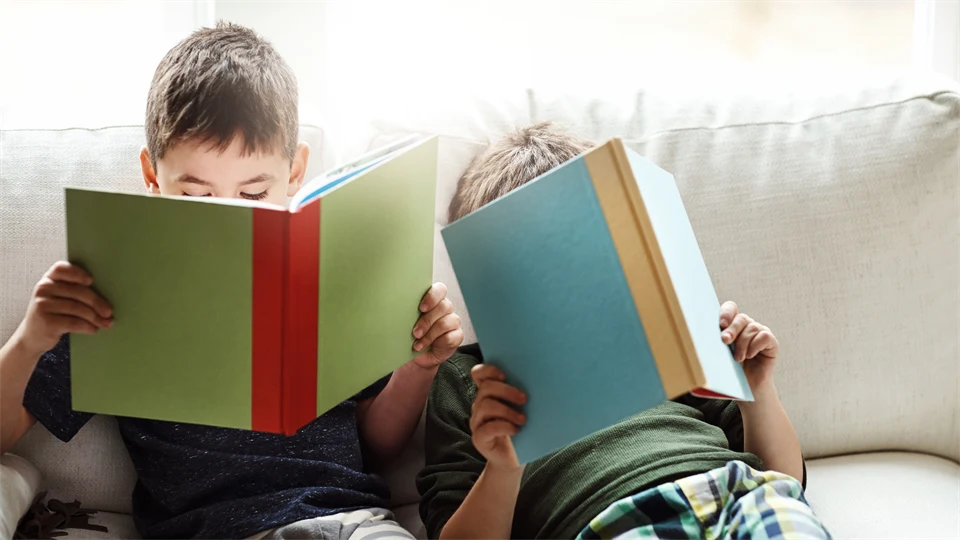
The aim of the project is to compare how schoolchildren are able to receive literature via three different media:
- their own silent reading of printed books
- listening to a teacher reading aloud
- individually listening to an audiobook-recording.
The aim of the study is to obtain empirical answers to the question of how these acts differ, if they differ at all. The study will be carried out at Höglundaskolan in Sundsvall, at the three levels of compulsory school (F–3, 4–6 and 7–9). The intention is to follow a group at each stage for two to three years. In this way, we will gain a diachronic perspective on the pupils' reading over a longer period. After completing the project, the teachers at the school in question will have increased their knowledge of the implications of different forms of reading, and be well prepared to handle this in their regular literature teaching.
It has been said that silent reading has a voice too; if it is communicated to the reader (listener) via a recording, it involves a more passive subject than when the reader himself shapes the voice in his consciousness. The question is whether the understanding is the same, whether one remembers less, differently, whether the impressions become more or less personal, acquire more or less color, and so on.
What the results will be remains to be seen, but we expect them to be of great relevance to current research on audiobooks and reading, as well as to didactic research and, of course, to school education on a more immediate level. The project can teach us a lot about schoolchildren's language development, but also about literary experiences and the encounter with fictional worlds in an era where several media compete for our attention.
Facts
Project period
260101—281231
Partners
Departments
Subjects
Municipal cooperation
Project leader


Project members
Funders