Stabilization and recycling of dredged and dewatered fibrous sediment (SÅMAF)
In a new pilot project, SGI, Sundsvall Municipality, Mid Sweden University, and biochar producers will test on-shore treatment methods for fiber-rich sediments, aiming for a feasible, sustainable, and cost-effective fiberbanks remediation option.
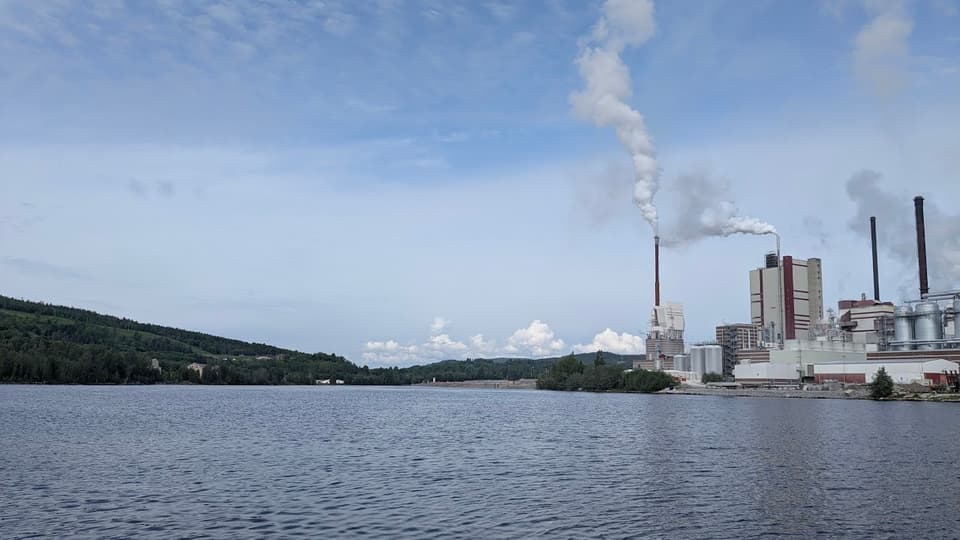
Fibrous sediments are a mix of polluted historical discharges from pulp and paper mills and natural sediments, that have accumulated underwater at outfall areas (deposits called "fiberbanks"). Wood pulp production has a long tradition in Sweden, and many water bodies across the country are polluted with fibrous sediments.
These sediments contain pollutants that can spread further into the aquatic environment, and they produce greenhouse gases due to their high organic matter content and biological activity. To remediate such sites, the material needs to be dredged. However, the major challenge is how to manage dredged sediments once onshore. Today, final disposal is difficult and expensive due to their high water and contaminants content.
SGI (Statens Geotekniska Institut) and Sundsvalls Kommun, in collaboration with Mid Sweden University and two private biochar producers, have developed a project proposal to conduct pilot-scale tests for onshore treatment of fibrous sediments (trough composting and pyrolysis) and land application, as covering or construction material and further phytostabilization. These larger-scale trials will generate knowledge on which methods work best under different conditions. By gathering experience from different methods at a larger scale, the aim is to understand their advantages and disadvantages and under what conditions they perform best. The goal is to identify approaches with the greatest potential for future large-scale remediation projects.
The initiative is connected to an ongoing pilot project in Essvik (Sundsvall), where SGI is testing a new, gentle dredging method for contaminated fibrous sediments. Together, these projects will support sustainable solutions for the remediation of fiberbanks.
Through SGI, the project has received SEK 13 million in government funding from the Swedish Environmental Protection Agency and is to be carried out in Essvik, Sundsvall Municipality, during 2026–2030.
Facts
Project period
260301—301231
Partners
Research groups
Project leader

Project members

Funders