ALGCC-developing
ALGCC is carried through within the Impact Innovations program Swedish Metals and Minerals, a joint initiative of the Swedish Energy Agency, Formas and Vinnova.
Materials physics forms the scientific foundation for next-generation technologies by linking atomic structure, microstructure and interfaces to macroscopic functionality.
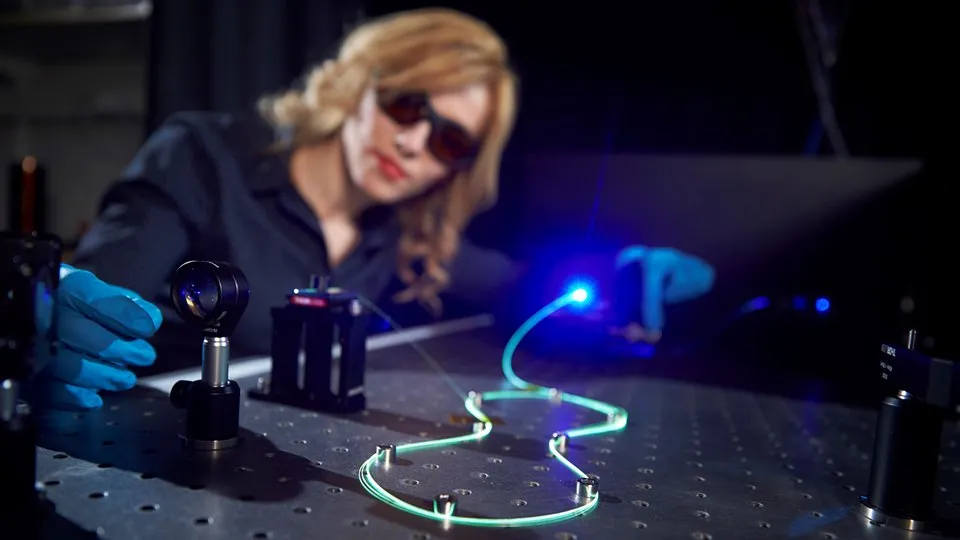
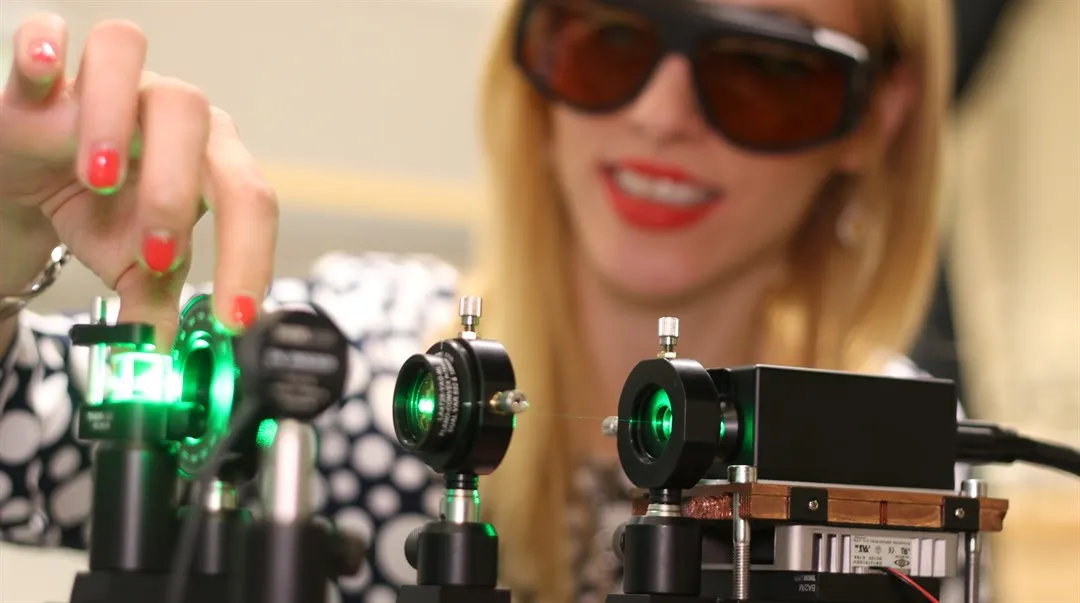
The Materials Physics group develops advanced functional materials for energy storage, energy conversion, photonics and sensing. Our research areas include aluminum battery and coating technologies for energy storage, silicon anode batteries, nanogenerators and self-powered sensors, as well as physical electronics and photonics. A primary focus is understanding and controlling structure, interfaces, and charge transport in materials under demanding conditions.
ALGCC is carried through within the Impact Innovations program Swedish Metals and Minerals, a joint initiative of the Swedish Energy Agency, Formas and Vinnova.

The project aims to design and investigate a novel cellulose-based filter material with high particle retention and low-pressure drop based on triboelectric effect. The developed material is though...
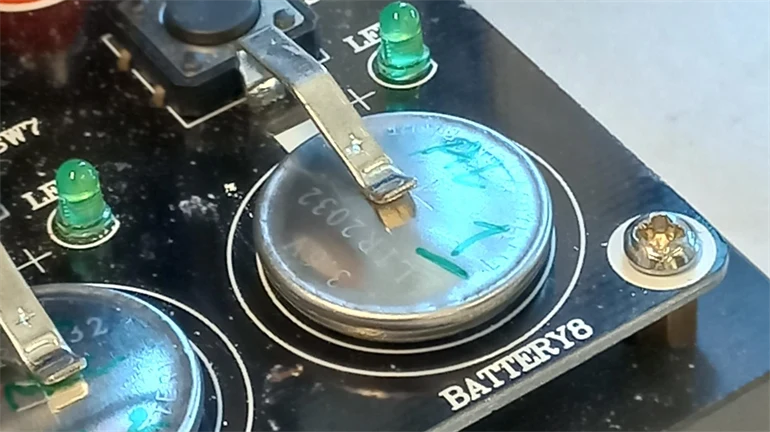
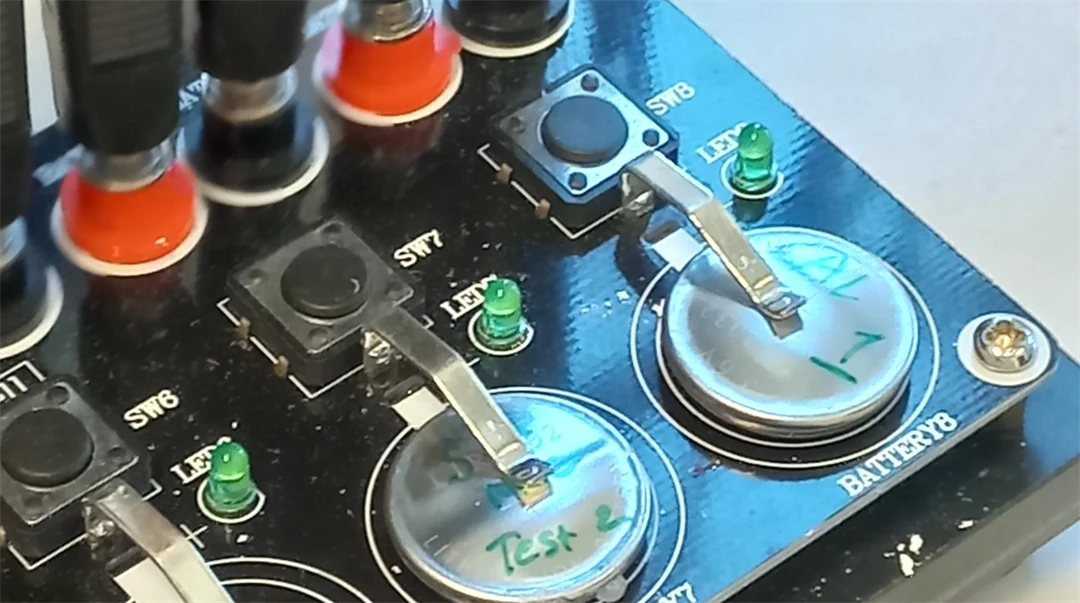
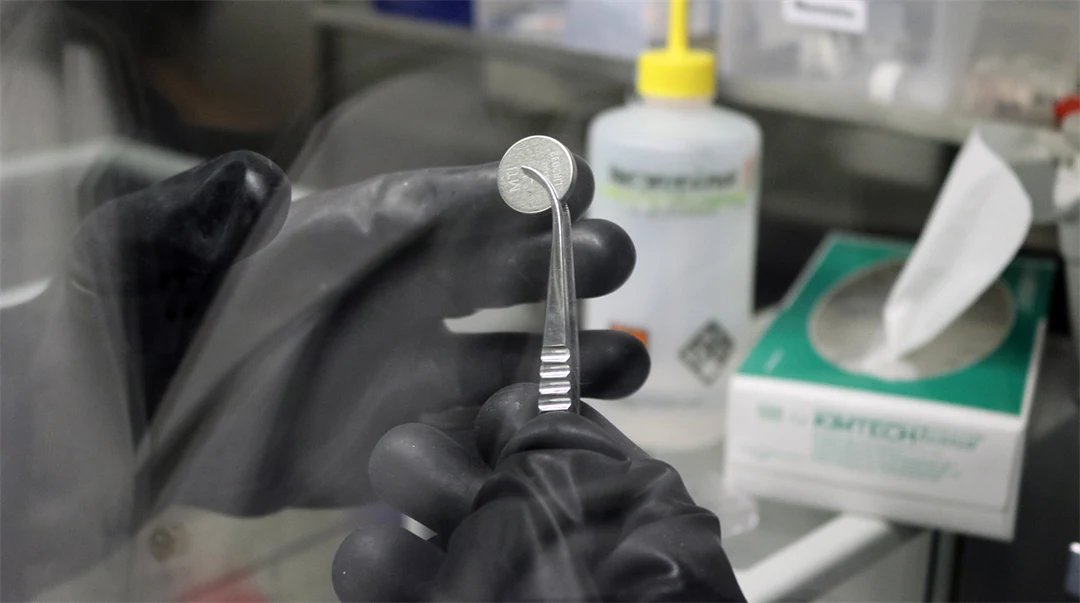
Aluminum-based batteries are a promising candidate for next-generation batteries due to their high theoretical capacity, cost-effectiveness, and environmentally friendly features.
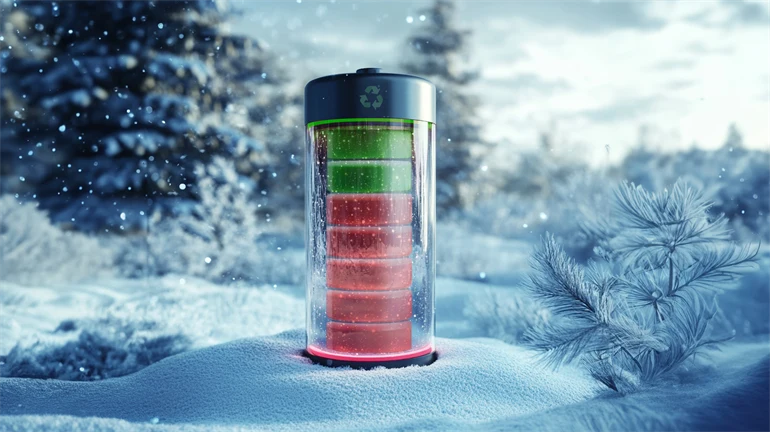
FSCN Research Center is one of the actors in a new Interreg Aurora project that aims to develop innovative battery solutions for cold climates. The project is a collaboration between researchers in...
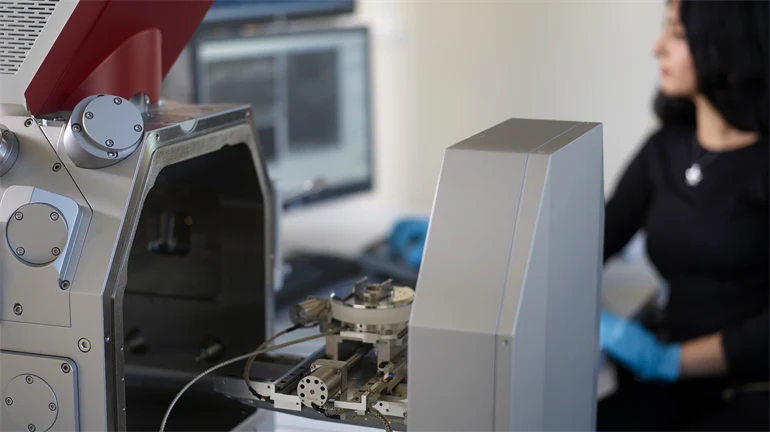
IMPHET is a strategic investment in Västernorrland that aims to strengthen the research and development of advanced materials and manufacturing processes for sustainable energy applications.
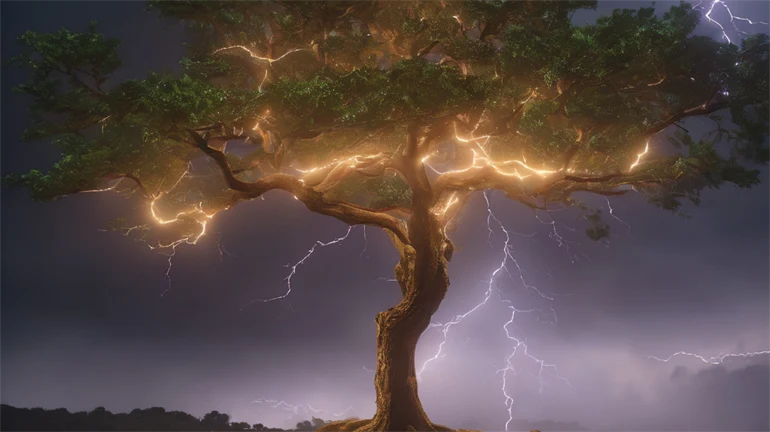
The electrically insulating properties of cellulose are already used in transformers today. The same properties can also be used in a new invention: the triboelectric nanogenerator (TENG). In a TEN...
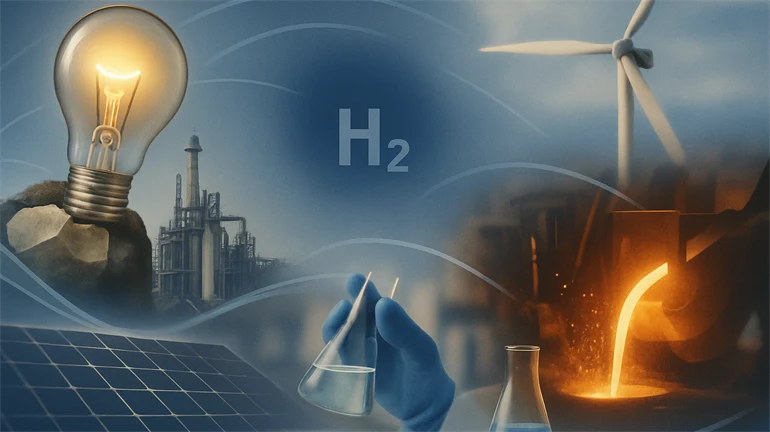
The project aims to create a collaboration between research environments, businesses and civil society in the Trøndelag and Västernorrland regions in the area of sustainable materials and chemica...




The page was updated 3/24/2026
Content owner:
FSCN Research Centre