Joint session – Resilience of Local Authorities at the ICRS
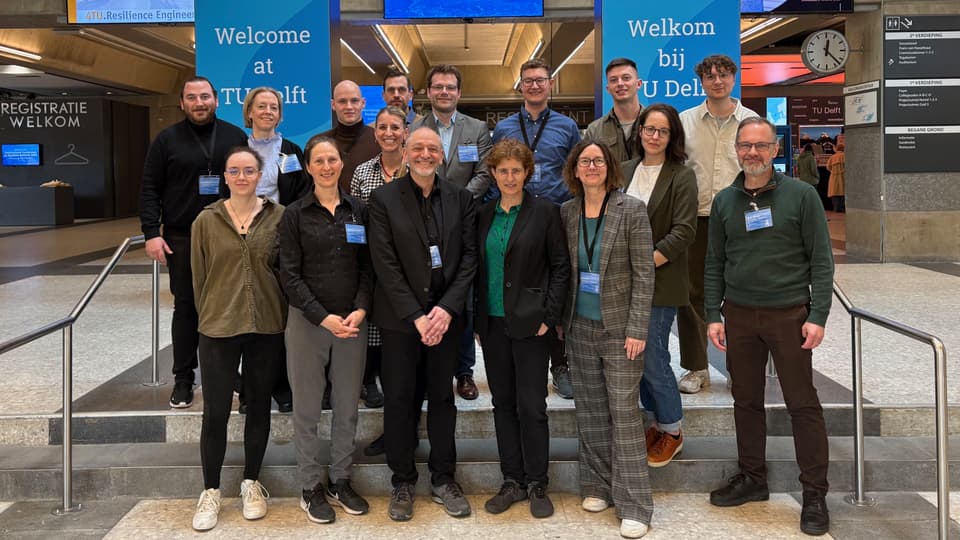
The research network on subnational risk and crisis management hosted a joint session titled “Resilience of Local Authorities” at the International Conference on Resilient Systems (ICRS) held in Delft, Netherlands, 23 to 25 March 2026.
Focusing on approaches to risk and crisis management in turbulent times among subnational actors, the session brought together presentations, collaborative discussions, and a concluding panel discussion. The international workshop brought together speakers from Germany, Austria, Sweden, Switzerland, Norway and the United States, fostering interdisciplinary exchange across a range of academic fields.
Overview of presentations
A few presenters focused on looking into previous disasters and analysing the effectiveness of the subnational risk and crisis management organisation. These provided an insight into how crisis management can be done in different countries and provided opportunities to learn from each other. These keynotes focused on studies done following disasters such as a hurricane, wildfire, earthquake and tsunami in the US, India and Indonesia.
Another occurring topic in the presentations was development of approaches and frameworks to either improve or analyse subnational risk and crisis management. A theme in this topic was to look at the role of organisational structure, analysing both how a crisis itself causes shocks in a system and how instabilities in management or administrative capabilities can contribute to the development of a crisis. Examples from Germany and Sweden illustrate how different subnational actors operate and can be improved.
The third major thematic area addressed approaches for developing frameworks, tools, exercises, and simulations for practical application. The aim of those projects was to bridge the gap between theory and practice by providing public authorities and local governments with practical approaches to assess their resources, structures, and working procedures, identify potential weaknesses, and develop strategies for improvement. In addition, the presentations highlighted the potential of exercises and simulations to strengthen administrative capacities, preparedness, and their resilience.