Employee and Leadership Roles in New Times with New Ways of Working
How can municipal workplaces become more attractive and sustainable in a changing world of work? This project explores how modern work practices, such as activity-based working, affect work environment, health, and employee participation in the public sector.
Employee participation in operations, governance, and organizational design is a fundamental prerequisite for a successful public sector. At the same time, municipalities face major challenges in workforce supply, with many employees choosing to leave municipal employment. To be a modern and attractive employer that can retain, develop, and attract talent, long-term and strategic investments in work environment and organizational design are required.
Public sector organizations are characterized by a wide diversity of occupational roles—from administrative positions to operational and citizen-facing work. Research clearly shows that both physical working conditions (such as ergonomics, noise, and lighting) and psychosocial factors (including relationships, leadership, and interaction) are crucial for health, well-being, and performance. Despite this knowledge, there are still gaps in understanding how changing work practices affect the work environment and employee well-being in public organizations.
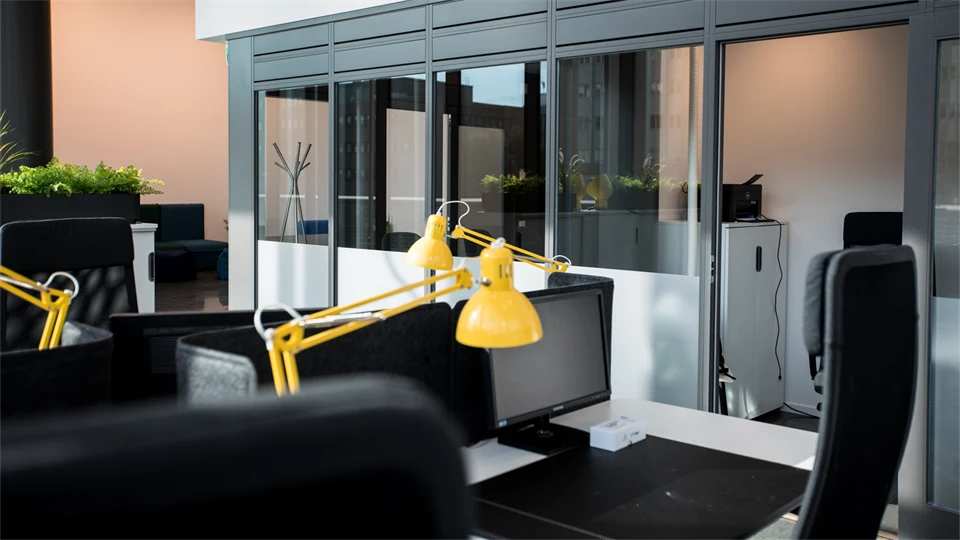
Since the pandemic, working life has undergone fundamental changes. Remote work has increased, and many workplaces have introduced activity-based working (ABW). In the municipality of Östersund, an activity-based working model was implemented in autumn 2024, in which approximately 620 employees share 400 workstations in zoned office environments without assigned desks.
This project builds on a multi-year research collaboration between Mid Sweden University and the municipalities of Östersund and Sundsvall, focusing on attractive and healthy municipal workplaces. To date, the project has resulted in several scientific publications, conference contributions, and interim reports, as well as ongoing dialogue with practice through seminars, theme days, and regional and national forums.
Through evidence-based research and close collaboration with municipal organizations, the project aims to develop knowledge on how modern work practices can be designed to strengthen the work environment, employee health, and the long-term attractiveness of the public sector.
Facts
Project period
260201—270630
Partners
- Östersunds kommun
Subjects
Municipal cooperation
Project leader
Project members

Funders